
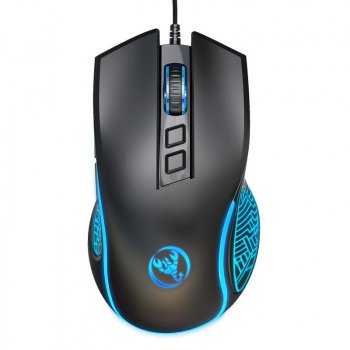
Wired mice are often better for gaming when consistency matters most. A direct cable connection removes concerns about battery life, charging schedules, and potential wireless interference, which can be helpful during long sessions or competitive play. For many gamers, “better” comes down to reliability and predictable performance rather than a dramatic difference in raw speed.
The biggest advantage is a stable connection. With a wired mouse, there’s no risk of a low battery causing performance dips or forcing a mid-match swap. Wired setups also avoid crowded wireless environments where many devices share the same space. Cable drag used to be a major complaint, but lightweight cables and mouse bungees have made that far less noticeable than it once was.
Modern wireless gaming mice can be extremely responsive, but wired remains the simplest way to guarantee a continuous signal without managing pairing, dongles, or battery status. In practical terms, both can perform at a high level, yet wired tends to feel “set-and-forget,” which some players prefer—especially for fast-paced shooters and esports-style play.
If a clean desk setup, portability, or freedom of movement is a priority, a quality wireless gaming mouse can be a great choice. Many current models deliver excellent responsiveness while reducing cable clutter. The tradeoff is ongoing power management and the need to keep the receiver and firmware setup in good shape.
Consider your play style and setup: competitive players who want maximum reliability often choose wired, while gamers who value flexibility and a minimalist desk may prefer wireless. For a deeper comparison of pros, cons, and what to look for, visit Are Wired Mouses Better for Gaming?.
A higher polling rate can make cursor updates feel more immediate, especially in fast games, but it’s only one factor. Sensor quality, stability, and comfortable grip usually matter more for overall control and consistency.





Leave a comment