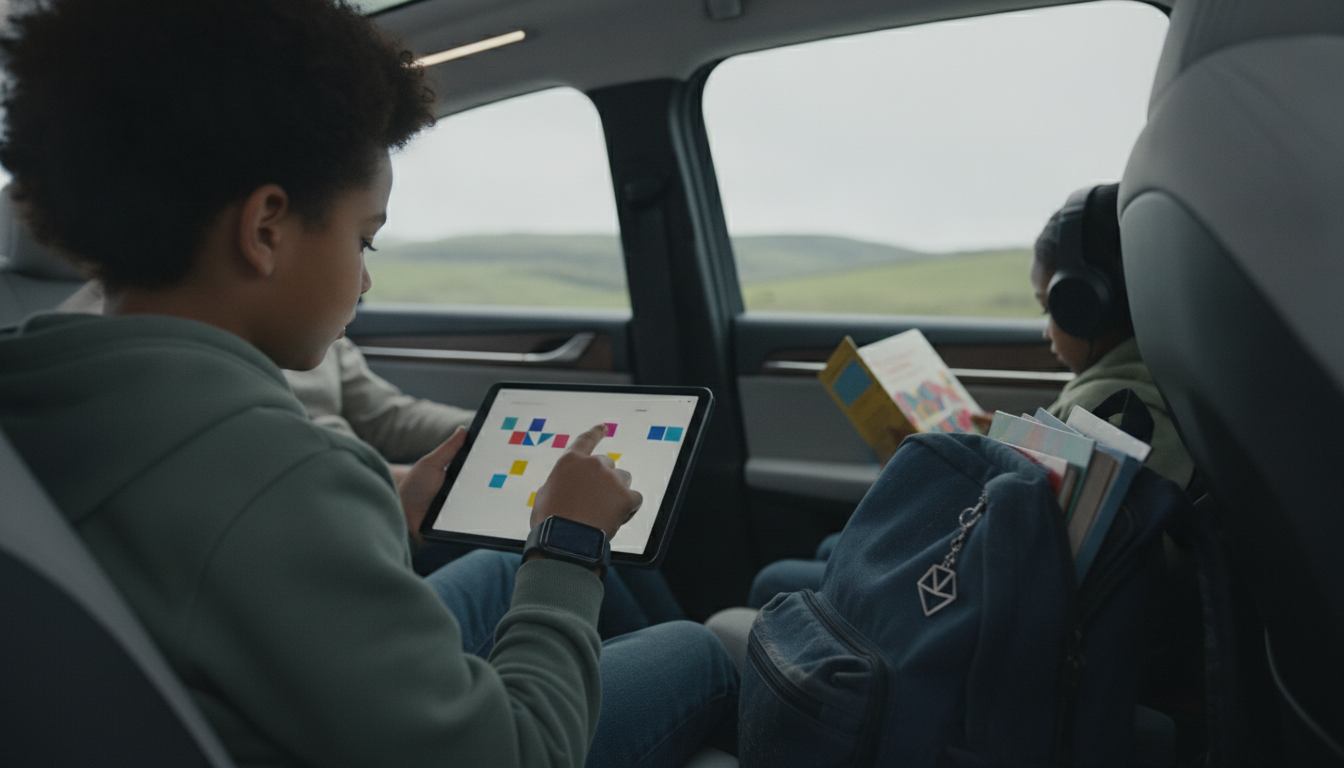
Smart kids do a lot more than get good grades. They stay curious, ask thoughtful questions, and keep trying even when something is hard. They also learn how to manage their time, build healthy friendships, and use technology in ways that help them grow instead of distract them.
Smart kids look for answers and patterns. They read, explore hobbies, and practice skills repeatedly—whether that’s music, sports, coding, art, or building things. They don’t wait to be “taught” everything; they experiment, make mistakes, and adjust.
Organization, routines, and follow-through are common. Smart kids tend to break big tasks into smaller ones, use reminders, and focus on what’s most important first. Many also learn to take care of their sleep, nutrition, and movement because they notice how their body affects their brain.
Smarts show up socially, too. Smart kids learn how to listen, take turns, resolve conflicts, and understand other perspectives. Those skills help them work in groups, handle feedback, and advocate for themselves respectfully.
Smart kids learn when screens are helpful and when they’re draining. For families, that often includes setting clear rules around devices, apps, and communication. If a child uses a smartwatch for calling, location check-ins, or safety, it helps when parents understand features like GPS accuracy, privacy controls, contact permissions, and school-mode settings. For a deeper look at these considerations, visit this kids’ smartwatch buying guide.
For What Smart Kids Do: Habits That Help Them Thrive, the best answer depends on fit, material, care instructions, and how the product will be used day to day.
Checking those details first helps avoid a poor match and keeps the choice practical after delivery.
Focus on effort and process—like practicing, asking questions, and planning—rather than only outcomes. Keep goals small and specific, and make room for rest, play, and mistakes.






Leave a comment