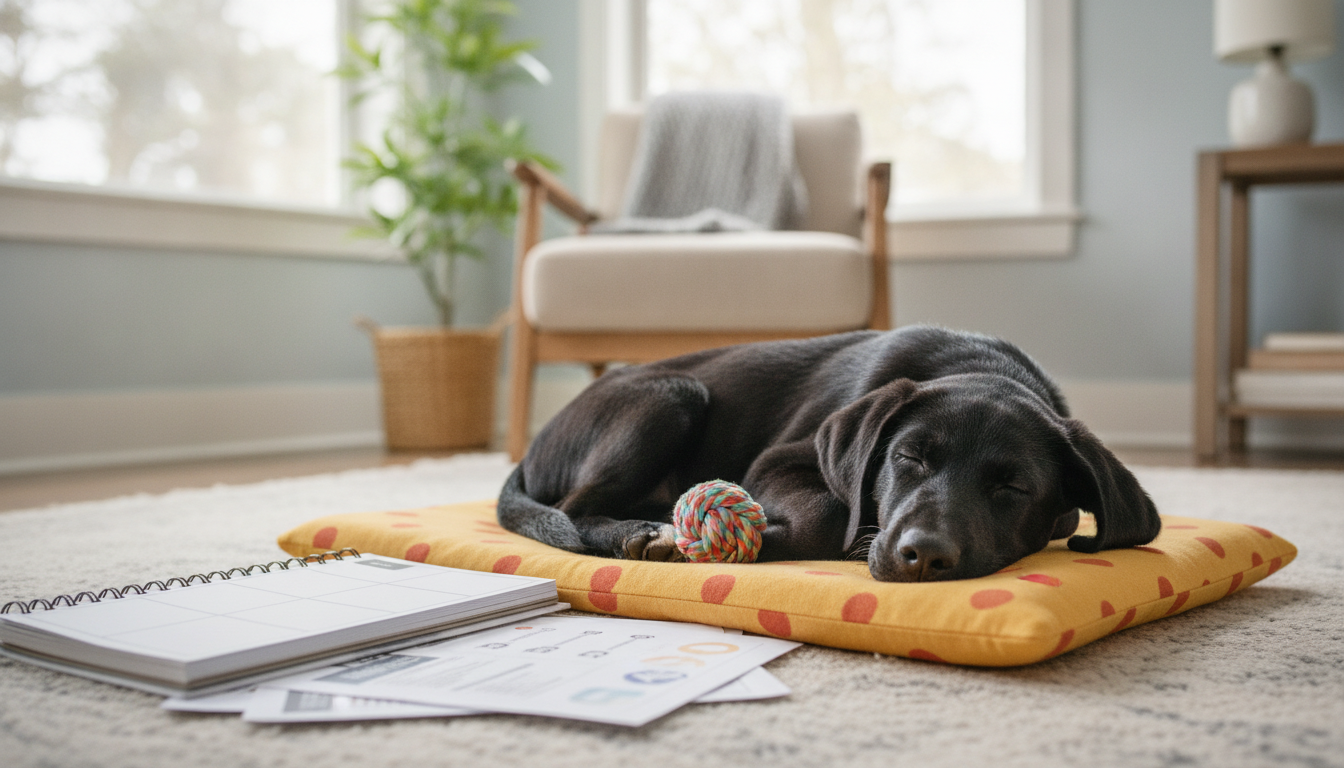
The first 30 days with a new dog are a mix of excitement and constant small decisions—where to sleep, what to feed, when to potty, and how to start training without overwhelm. A simple checklist approach keeps the essentials on track: safety, routine, bonding, basic manners, and early health care. Use the steps below as a practical week-by-week plan, then personalize based on age, background, and your veterinarian’s guidance.
If your dog seems “shut down” or unusually clingy, that can be normal during decompression. Keep things calm and predictable, and focus on safety and trust before expecting polished manners.
For puppy socialization basics and pacing, the American Kennel Club (AKC) offers practical examples of positive exposure that don’t overwhelm your dog.
For trustworthy care guidance and wellness basics, the American Veterinary Medical Association (AVMA) is a solid reference point, and vaccine planning details are summarized in the American Animal Hospital Association (AAHA) vaccination guidelines.
| Timeframe | Primary Focus | Daily Non‑Negotiables | Quick Wins to Track |
|---|---|---|---|
| Before Day 1 | Set up + safety | Safe zone, supplies, boundary setup | Home ready; first-night plan |
| Week 1 | Decompression + potty routine | Potty schedule, calm rest, name game | Accidents decrease; dog settles faster |
| Week 2 | Alone time + handling | Short separations, gentle handling, trade game | Less mouthing; calmer departures |
| Week 3 | Manners + enrichment | Core cues, puzzle feeding, positive exposures | Better leash starts; calmer greetings |
| Week 4 | Health + grooming | Vet plan, grooming micro-sessions, routine review | Comfort with brushing/nails; stable schedule |
If you want a ready-to-use plan you can print or fill in on a tablet, First Month With Your Dog: The Fun & Easy Checklist (Printable + Digital) lays out the first month in a simple, repeatable format.
For households that run better with checklists in general, these digital downloads can help keep other routines from piling up during the adjustment period: Home Cardio Blast Checklist and Car Cleaning Hacks to Keep Your Ride Fresh.
A good starting point is after waking, after eating or drinking, after play, and before bed, plus every 1–2 hours for many young puppies (adjust based on age and success). Reward immediately when your puppy goes outside so the right habit becomes clear and consistent.
Many dogs benefit from a wellness visit within the first week so your vet can review vaccine status, parasite prevention, diet, microchip details, and any early concerns. Timing can vary depending on prior records, local risk factors, and whether your dog is showing any symptoms.
Make the crate a positive spot by tossing treats in, feeding meals near or inside, and letting your dog choose to enter with the door open at first. Close the door for very short intervals, build duration gradually, and never use the crate for punishment; if you see signs of panic, slow down and shorten the steps.






Leave a comment