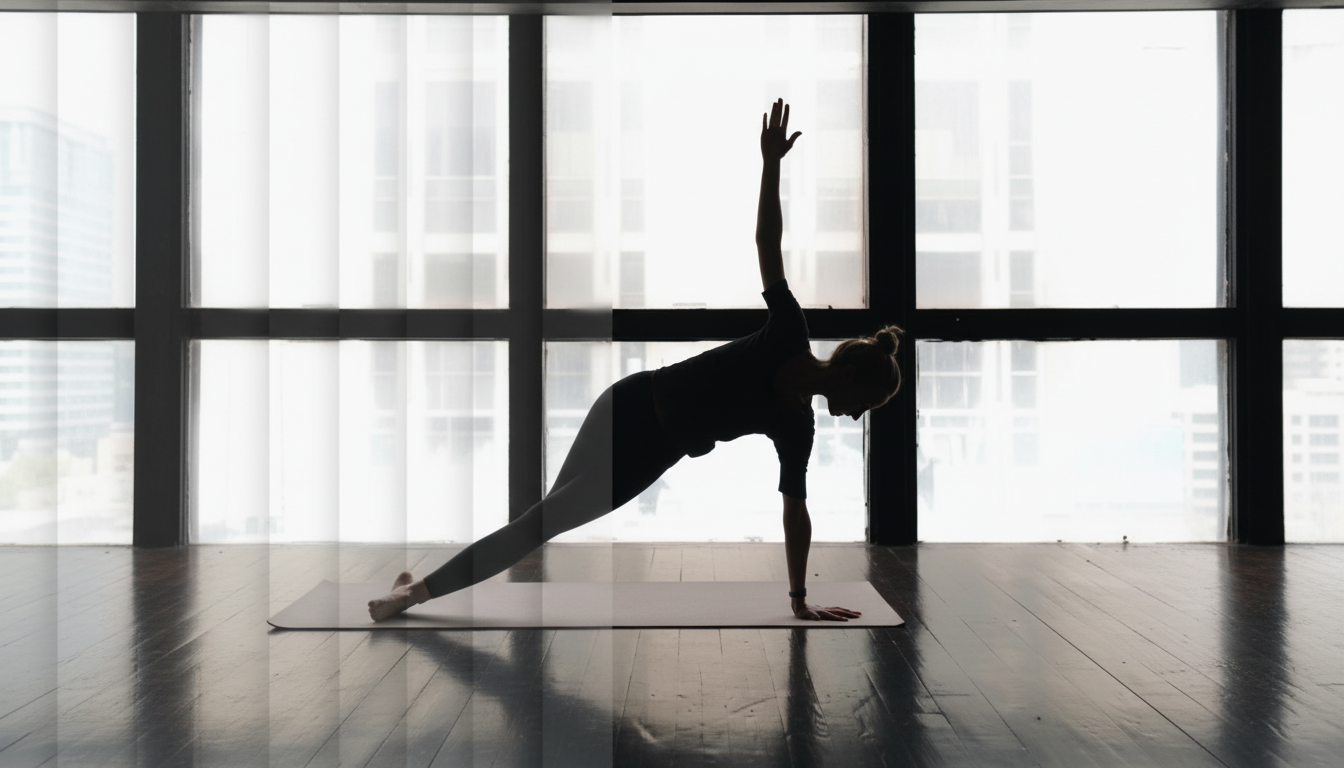
A resilient immune system depends on more than supplements and seasonal habits. Yoga supports immunity by influencing stress physiology, sleep quality, circulation, and the mind-body pathways that regulate inflammation. With a simple, repeatable routine, yoga can become a practical daily tool for steadier energy, calmer recovery, and stronger overall wellness.
“Body defense” is a helpful umbrella term for the immune system—an organized network that works around the clock to identify threats, repair damage, and keep your internal environment stable.
Immune readiness changes day to day. Recovery, nutrient intake (especially protein, fiber, and micronutrients), movement, and stress load all shape how well these systems coordinate. Yoga is best viewed as a supportive lever—one that can improve resilience and regulation—rather than a guarantee against specific illnesses. For medical concerns or persistent symptoms, professional care is essential.
Yoga doesn’t “flip a switch” to make immunity perfect. Instead, it influences the conditions that help your defense system do its job with less friction—especially the nervous system and the recovery processes that run in the background.
Chronic stress can disrupt immune signaling and keep the body in a more reactive state. Many yoga practices encourage a downshift from fight-or-flight toward rest-and-repair. Understanding the stress response helps connect the dots between mental load and physical recovery (see Harvard Health Publishing).
Slow breathing, especially with longer exhales, supports parasympathetic activity—associated with digestion, recovery, and calmer inflammatory balance. This is one reason gentle pranayama and relaxation work so well when energy feels low.
Light, comfortable movement can support blood flow and lymphatic movement. Because the lymph system relies on muscle contractions and breathing mechanics, gentle flows and mobility can help immune cells traffic through the body without adding extra strain.
Sleep is a core immune regulator. A steady yoga routine—particularly restorative poses and evening breathwork—can improve sleep quality and reduce nighttime “wired” feelings. For a deeper overview of sleep’s role in the body, visit the National Sleep Foundation.
Research on yoga is associated with changes in stress hormones and certain inflammatory markers, suggesting a measurable influence on immune-related physiology. For a broad evidence-based overview, refer to the National Center for Complementary and Integrative Health (NCCIH).
| Practice type | Examples | Primary pathway supported | Best time to use |
|---|---|---|---|
| Breathwork | Coherent breathing (5–6 breaths/min), extended exhales | Stress response downshift; parasympathetic support | Midday reset or before sleep |
| Gentle flow | Cat-cow, low lunge, easy sun variations | Circulation and lymph movement; mobility | Morning or afternoon |
| Restorative poses | Legs-up-the-wall, supported child’s pose | Recovery; relaxation; sleep readiness | Evening |
| Meditation | Body scan, mantra, mindful attention | Stress resilience; emotional regulation | Any time, 5–10 minutes |
| Twists (gentle) | Supine twist, seated twist | Comfortable mobility; diaphragmatic breathing space | After sitting or late afternoon |
This routine is designed to feel repeatable—more like a daily reset than a workout. Keep the overall effort around a 4–6 out of 10, where you could comfortably breathe through your nose most of the time.
For households managing chronic stress, emotional load, and irregular sleep (all of which affect recovery), a mindful framework can help make consistency more realistic: Stay Calm Within Mindful Parenting System – 4-in-1 Bundle for Parents.
Yoga can support immune-related physiology indirectly by reducing chronic stress, improving sleep quality, supporting circulation, and promoting a healthier inflammatory balance. It’s a supportive wellness practice, not a cure or a guarantee against illness.
Restorative yoga, gentle flow, and slow breathing practices are usually the best fit when energy is low. Skip heat-building intensity and focus on comfort, relaxation, and smooth breathing.
Ten to thirty minutes most days—or 3–5 sessions per week—tends to be a realistic target. Consistency matters more than intensity, and it helps to scale sessions based on sleep and stress levels.





Leave a comment