Smartwatch or Fitness Band? Choosing Your Wrist-Sidekick
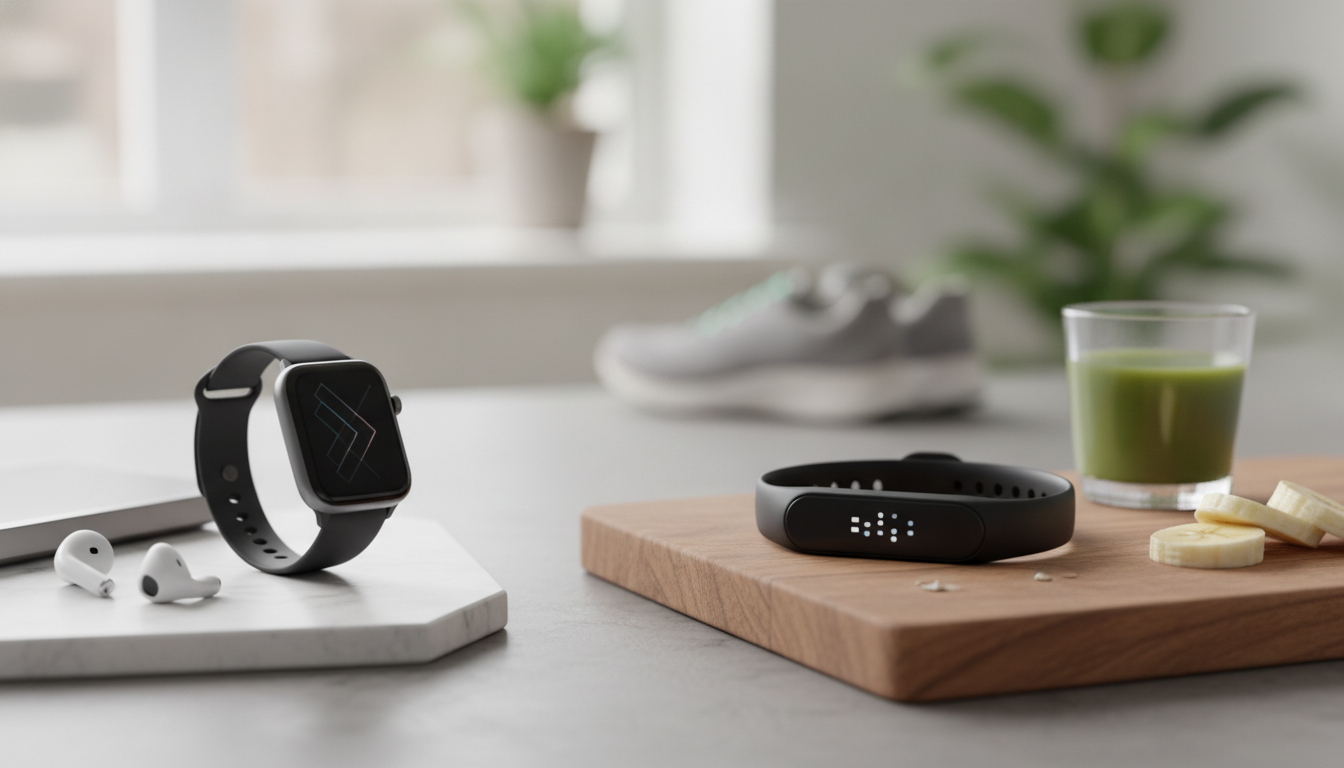
Smartwatches and fitness bands can both track activity, but they’re built for different priorities. A smartwatch tends to act like a mini companion for daily life (communication, apps, and richer screens), while a fitness band usually keeps things simple with lightweight comfort and workout-first tracking. Use the comparisons and scenarios below to match the right device to how you move, work, and recover.
Start with what you want on your wrist all day
The best choice often comes down to how much you expect your device to do when you’re not actively working out.
- Choose a smartwatch if notifications, quick replies, apps, and a larger, more readable screen matter as much as activity tracking.
- Choose a fitness band if comfort, lightweight wear, and straightforward health metrics are the main goals.
- If wearing a device overnight is important, prioritize comfort, battery life, and a non-bulky design that won’t get in the way of sleep.
- If the device is meant to reduce frequent phone checks, prioritize display readability plus easy interaction (touch, buttons, or voice).
Smartwatch vs fitness band at a glance
Most devices cover the basics (steps, heart rate, and common workout modes). The difference shows up in daily usability: bands typically “disappear” on your wrist, while smartwatches often become a visible, interactive hub.
Quick comparison: smartwatch vs fitness band
| Category |
Smartwatch |
Fitness Band |
| Primary focus |
Daily convenience + health |
Activity + health basics |
| Comfort/sleep wear |
Varies; can be bulkier |
Typically lighter and easier |
| Notifications & replying |
Usually richer options |
Often limited or basic |
| Apps & extras |
More common (apps, music, pay) |
Fewer; more streamlined |
| Battery life |
Often shorter |
Often longer |
| Workout depth |
Often broad with guidance |
Often strong for essentials |
| Screen |
Larger, more readable for details |
Smaller; glanceable |
| Price range |
Often higher |
Often lower |
Health and fitness tracking: what actually changes
It’s easy to assume “more expensive = more accurate,” but day-to-day tracking quality is often shaped by fit, sensors, and how you use the device.
- Core metrics overlap: steps, calorie estimates, heart rate, and workout modes are common in both categories.
- Smartwatches may show richer views: more detailed charts, better on-device review, and sometimes guided workouts (depending on the ecosystem and app support).
- Bands keep you consistent: fewer distractions can help build the habit of checking trends and closing daily goals without turning your wrist into another screen to manage.
- Accuracy depends on real-world factors: fit, sensor quality, skin contact, and motion type (steady running vs. lifting) can change readings significantly. For a practical overview of tracker limitations, see Harvard Health Publishing’s breakdown of fitness tracker accuracy.
If the priority is improving health, the best device is the one you’ll wear consistently. Regular movement and activity are strongly linked to health benefits over time; the CDC’s physical activity guidance is a helpful reference for what “enough” activity can look like.
Notifications, calls, and “phone replacement” expectations
This is where the gap between smartwatches and bands becomes obvious: interaction.
- If the goal is seeing and acting on messages quickly, smartwatches generally offer better readability and more ways to respond (quick replies, voice dictation, and app actions).
- Bands shine when notifications are meant to be lightweight nudges—“check your phone when you have a moment”—not a full communication hub.
- Consider your main environments: at the gym a big screen is convenient, but during meetings or classes subtlety may matter more than capability.
- If constant pings are a concern, prioritize strong notification controls and focus modes inside the companion app so the device supports your day rather than interrupting it.
Battery, charging habits, and real-life convenience
Battery life is more than a number on a spec sheet. Always-on displays, bright screens, frequent GPS use, and constant notifications can shorten real runtime.
- Bands often go longer between charges, which can make overnight wear and sleep tracking easier to maintain.
- Smartwatches may charge more often, but some make up for it with faster charging and more robust daily features.
- Match the device to your routine: if nightly charging is realistic, a smartwatch can fit smoothly. If charging is easy to forget, a band’s longer battery can prevent gaps in your trend data.
- For travel, think about charger convenience. Proprietary chargers are common—so portability and “did I pack it?” risk matters.
Comfort, durability, and wearability for workouts and sleep
A device that tracks everything but feels annoying won’t last long on your wrist. Comfort is a performance feature.
Which one fits your routine? Common user matches
A practical checklist before buying
Recommended picks (digital guides) to make your choice and your workouts easier
FAQ
Is a smartwatch better than a fitness band for workouts?
Neither is universally better. Smartwatches often offer broader workout features and richer on-device guidance, while bands can be simpler and more comfortable—making them easier to wear consistently, which is usually the biggest factor in long-term results.
Can a fitness band replace a smartwatch for everyday use?
It can for basics like glanceable alerts, steps, and heart rate trends. If you want convenient replies, apps, calling features, or a larger display for reading and acting on messages, a smartwatch usually fits everyday use better.
What matters most for accurate heart rate tracking on the wrist?
Fit and placement matter most: wear it slightly above the wrist bone with solid skin contact, and tighten it a bit for workouts. Motion type (like lifting vs. running), sensor quality, and choosing the correct workout mode also affect readings.
Recommended for you






Leave a comment