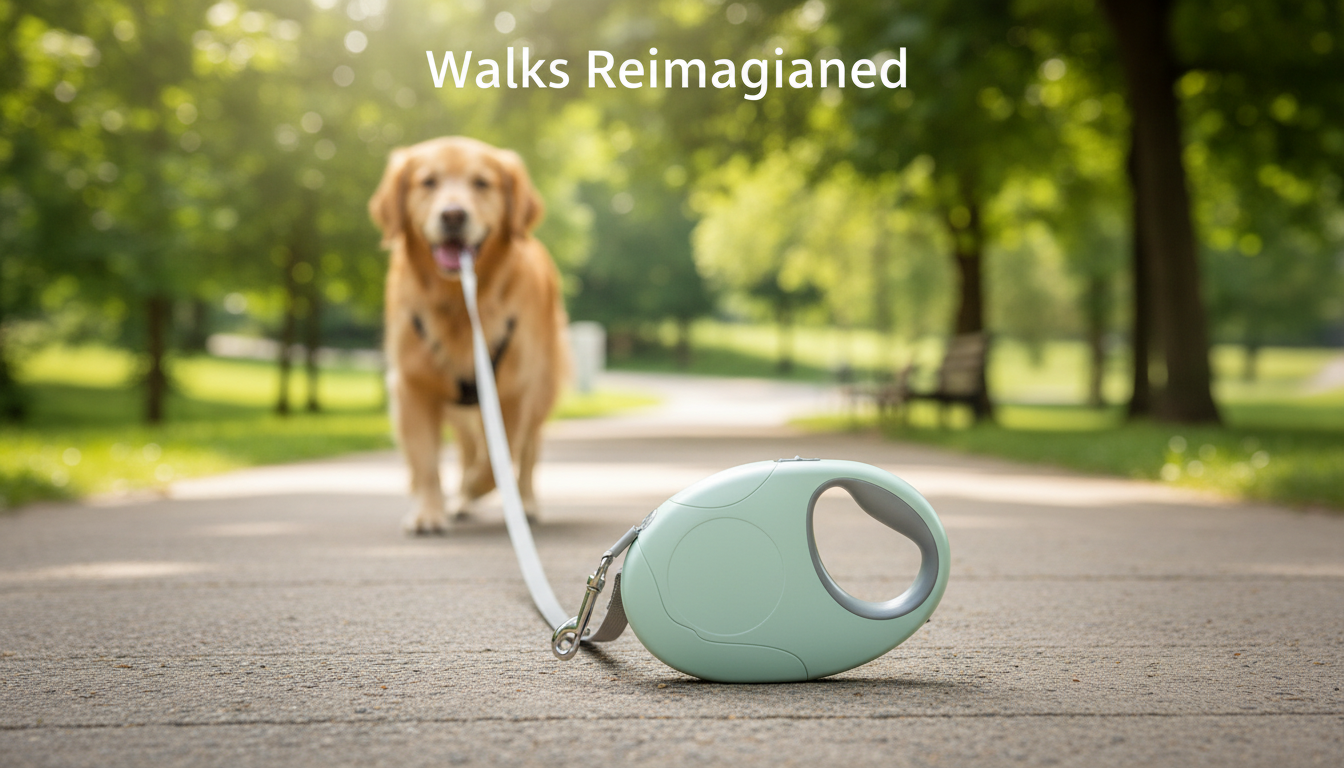
Retractable leashes can be safe for some large dogs, but they come with higher risk than a standard fixed-length leash. The main issue isn’t the dog’s size alone—it’s the combination of strong pulling force, fast acceleration, and the thin cord or tape under tension. With a powerful dog, that tension can lead to sudden jolts, loss of control, and injuries to people or pets nearby.
A retractable leash is most likely to be safe when the dog is reliably leash-trained, responds to recall and “leave it,” and doesn’t lunge at squirrels, other dogs, or moving objects. It’s also best used in open areas with clear sight lines—think wide paths or quiet parks—where the dog won’t wrap the line around people, bikes, or posts. Choose a model specifically rated for your dog’s weight and strength, and inspect the lock and retraction mechanism regularly.
Large dogs can overpower the brake/lock, especially if they hit the end of the line at speed. That snap-back can strain a handler’s wrist or shoulder, and the cord can cause burns or cuts if it slides across skin. Another common issue is reaction time: with 10–16 feet of line out, a big dog can reach a trigger before the handler can reel them in, creating risky meet-and-greet situations.
Keep the line shorter in busy areas, and use the lock proactively rather than reacting after your dog surges forward. Avoid wrapping the handle loop around your wrist; hold it firmly with your thumb ready on the brake. Skip retractables in crowds, near traffic, around children, or anywhere leash laws require a fixed length. For more guidance on choosing leash length and styles, see this retractable leash length guide.
A sturdy 4–6 foot fixed leash paired with a well-fitted front-clip harness or head halter is usually the safest choice while training. It gives consistent control and clearer feedback than a retractable line.







Leave a comment