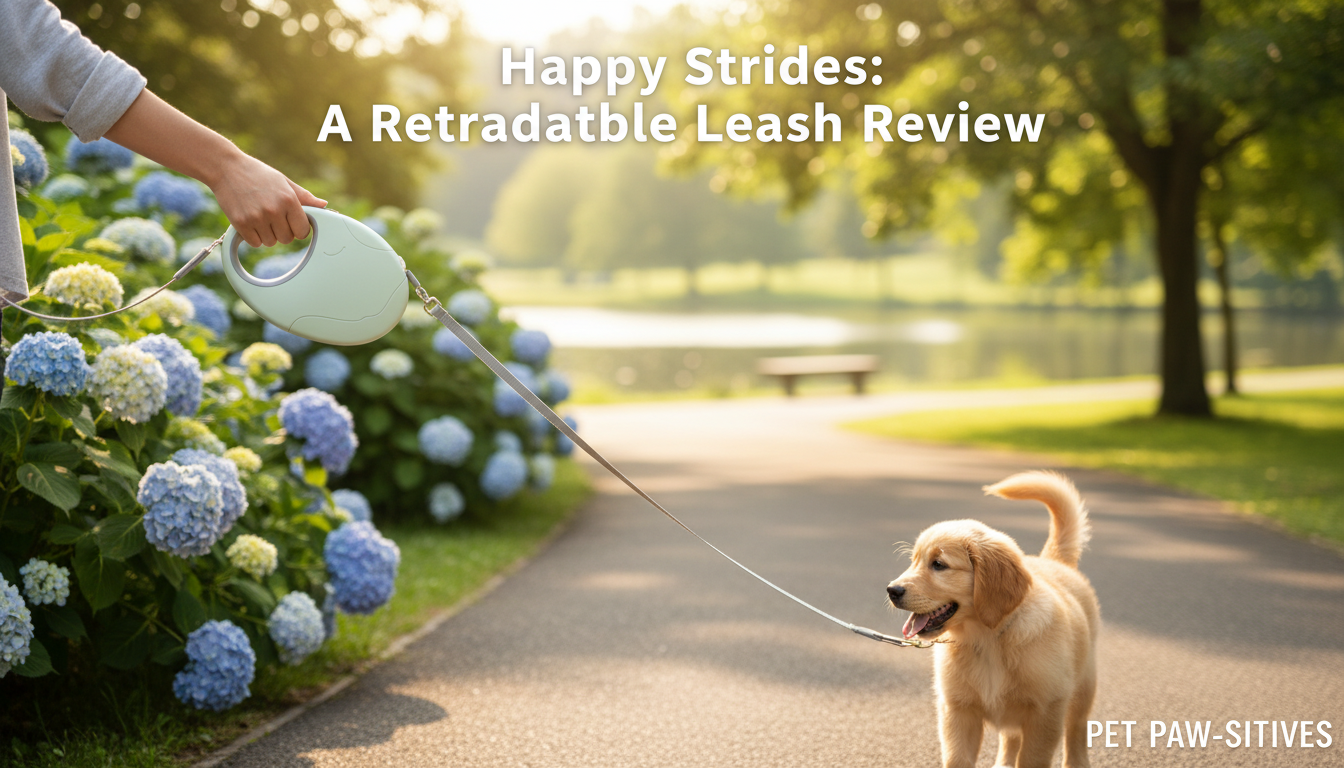
Yes—many cats can use a retractable leash, as long as it’s paired with a secure harness and introduced slowly. Retractable leashes can give a curious cat a little more freedom to explore while still staying connected, which is especially helpful in quiet yards, patios, or low-traffic outdoor areas.
Cats can slip out of collars easily, and sudden tension can strain their necks. A well-fitted cat harness (often an H-style or vest-style) is the safer option. Check the fit so two fingers can slide under the straps, and confirm your cat can’t back out of it.
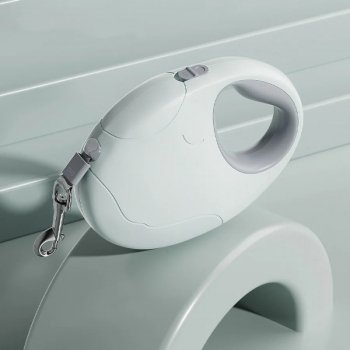
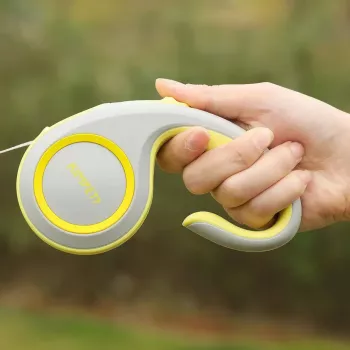
A lightweight retractable leash is usually better for cats; a bulky handle and heavy line can feel intimidating and create extra pull. Consider the environment too: a shorter option can be easier to control on sidewalks, while a longer length may work in open spaces where you can clearly see what your cat is approaching. For a practical breakdown of lengths and everyday handling, see this guide comparing 3m vs 5m retractable leashes for small dogs and cats.
Let your cat wear the harness inside for short sessions, then clip on the leash and allow gentle wandering. With retractables, avoid letting the line stay tight—steady tension can make some cats freeze, roll, or panic. Reward calm steps and keep sessions brief.
Use the lock button early—before your cat reaches shrubs, under cars, or near other animals. Never let the line wrap around legs (yours or your cat’s), and don’t allow full extension in crowded areas where a sudden dart could cause injury.
If your cat startles easily, bolts when scared, or reacts strongly to dogs, a standard fixed-length leash may be safer while training. Also avoid retractables near streets or anywhere you can’t quickly shorten the distance.
A snug, escape-resistant harness (often vest-style) is usually the best match because it distributes pressure across the chest and shoulders instead of the neck. Make sure your cat can’t back out when pulling in reverse.




Leave a comment