
The best AI for goal setting is the one that helps you move from vague intentions to specific actions, while staying aligned with what actually matters to you. For most people, that means choosing an AI tool that can (1) clarify priorities, (2) structure goals into timelines, (3) break goals into weekly tasks, and (4) keep you accountable with check-ins and revisions.
If you want a simple place to start, a conversational AI (like a chat-based assistant) is often the most useful for goal setting because it can ask clarifying questions and adapt as your situation changes. It’s especially effective when you provide a few concrete inputs: your top values, available time, constraints, and what “success” looks like in 90 days.
That said, “best” depends on your style:
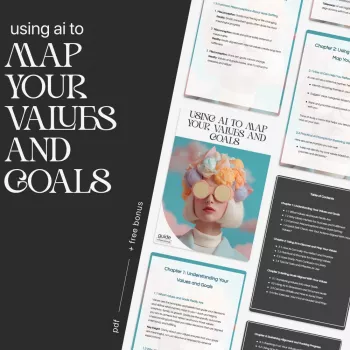
A strong approach is to start with values-first goal design, then use AI to translate that into a 90-day plan with milestones and weekly targets. For a practical walkthrough of mapping values into clear 90-day goals, visit this guide on AI values mapping and goal clarity.
When evaluating any AI for goal setting, test it with a real objective and see whether it produces: a clear outcome metric, a realistic timeline, the first three actions, and a plan for obstacles. If it can’t do those four, it’s not the right tool for you.
Pick one value to prioritize, define a specific outcome that reflects it, and attach a metric and deadline. Then break it into 3 monthly milestones and weekly actions that you can complete in your actual schedule.






Leave a comment