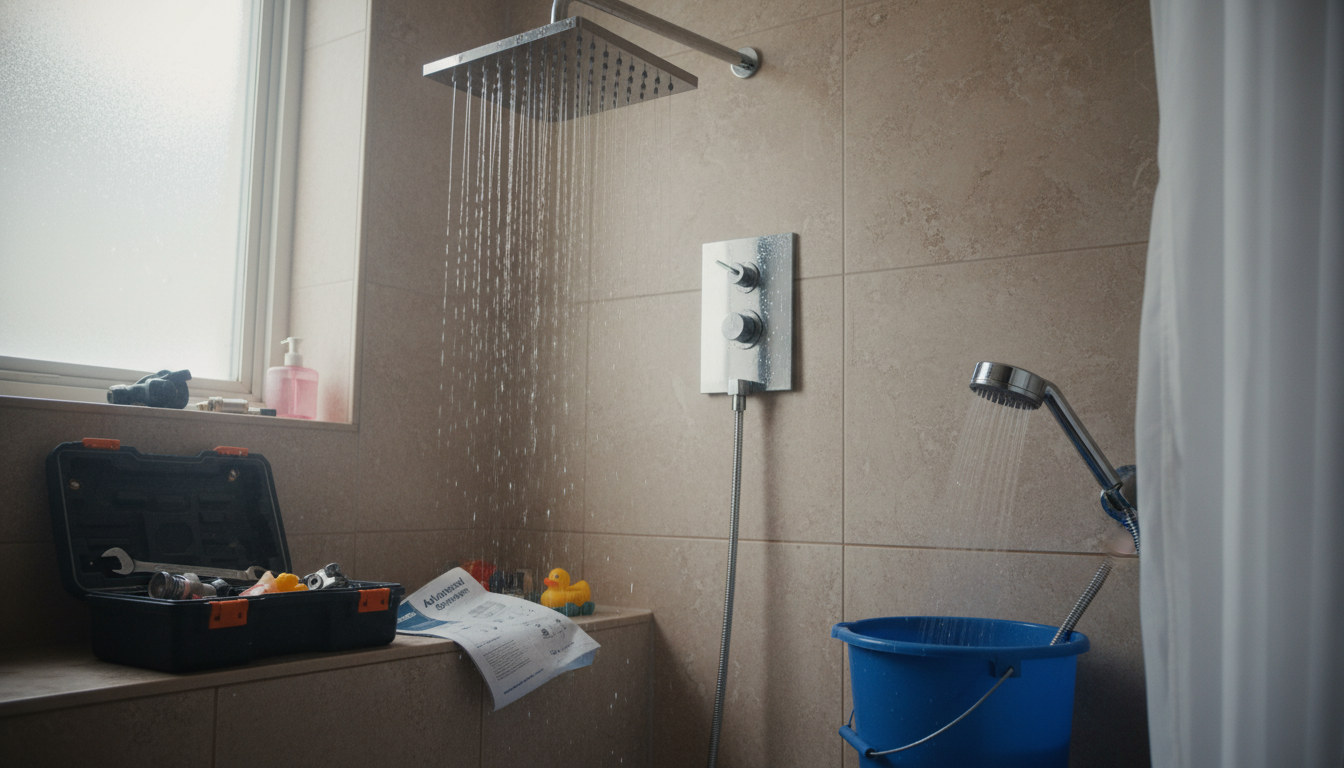
Rainfall showers can feel like a spa upgrade, but they’re not a perfect fit for every bathroom or routine. The main downsides usually come down to water pressure, installation requirements, water use, and day-to-day practicality. If you’re considering a switch, it helps to know what trade-offs may show up after the novelty wears off.
Lower “rinse power” with weak pressure is one of the most common complaints. Because rainfall showerheads spread water across a wide face, the flow can feel softer than a standard head. In homes with low water pressure, that can translate into a lighter stream that takes longer to rinse shampoo, conditioner, or thick hair products.
Installation can be more involved, especially for true ceiling-mounted rainfall setups. You may need to move plumbing, reinforce mounting points, or adjust the shower arm location so the head sits centered and at the right height. In some bathrooms, that adds labor cost and may not be a simple DIY swap.
They can encourage higher water use if the experience leads to longer showers. Even with a similar flow rate, the “luxury” feel can make it easy to stay under the water longer. Some larger rainfall heads may also have higher GPM ratings unless you choose a water-saving model.
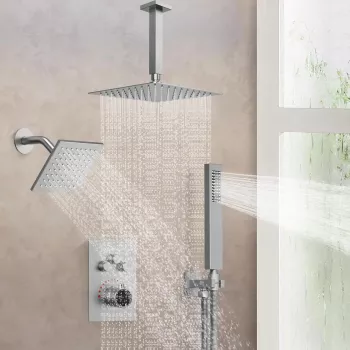
Less flexibility is another drawback. A fixed rainfall head doesn’t easily target specific areas, which can be inconvenient for shaving, rinsing the shower walls, or keeping hair dry. Many people end up pairing a rainfall head with a handheld sprayer to cover those everyday needs.
For more detailed pros, cons, and practical selection tips, see the full guide here: Are there any disadvantages to rainfall showers?
For Rainfall Shower Disadvantages: Pressure, Install, Use, the best answer depends on fit, material, care instructions, and how the product will be used day to day.
They can, but the spray may feel gentle or underwhelming if your home’s pressure is weak. A pressure-boosting design or a smaller rainfall head often performs better in low-pressure setups.





Leave a comment