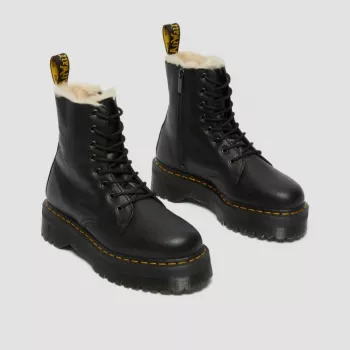
Yes—most Doc Martens boots and shoes are made with rubber-based soles. The brand’s classic outsoles (like the well-known air-cushioned styles) are typically constructed from PVC and rubber compounds designed to balance durability, flexibility, and grip for everyday wear. While materials can vary by collection, “rubber sole” is a fair description for the majority of modern Docs you’ll find in stores today.
Doc Martens is famous for its air-cushioned sole, often associated with the brand’s signature bounce and comfort underfoot. Many models use a PVC-based sole material with rubber-like performance. Some lines may use different formulations or mixed materials, but the goal is similar: a tough outsole that can handle regular street wear without feeling stiff.
The fastest way is to check the product description for your specific model, since limited editions and certain lightweight or fashion-forward styles can differ. You can also look for markings on the outsole or inside the shoe that list materials, which is especially helpful if you’re comparing classic styles (like 1460 boots) versus newer silhouettes.
A rubber-based sole is generally a plus if you want traction and long-term wear. It also tends to be easier to clean—usually a wipe-down removes most dirt. For longevity, avoid prolonged exposure to high heat (which can affect sole material) and watch for uneven wear if you walk heavily on one side of the heel.
For model-by-model details and a deeper breakdown of sole materials and construction, visit the full guide here: https://splendyn.com/do-doc-martens-have-a-rubber-sole/.
Many Doc Martens styles run slightly large, especially in unisex sizing, so some people size down for a snugger fit. The best choice depends on the model and whether you’ll wear thick socks or add insoles.





Leave a comment