
Modern cars generate a steady stream of data—from onboard sensors to diagnostic trouble codes—creating an opportunity to spot problems earlier than a dashboard warning light. Predictive maintenance applies analytics and machine learning to that data to estimate when components may wear out, helping drivers plan service proactively, reduce unexpected breakdowns, and control long-term ownership costs.
Traditional car care tends to follow either “fix it when it breaks” or “replace it on a schedule.” Predictive maintenance sits in the middle: it uses real-world signals from your vehicle and driving habits to suggest when something is trending toward trouble—often before a breakdown or a hard fault code.
| Approach | How it works | Strengths | Trade-offs |
|---|---|---|---|
| Reactive | Repair after a failure or warning light | Lowest short-term effort | Higher risk of breakdowns, towing, and cascading damage |
| Preventive | Service by set mileage/time intervals | Simple to follow; aligns with manuals | May replace parts too early or miss harsh-use conditions |
| Predictive | Estimate component health using data trends and models | Earlier problem detection; better planning and cost control | Depends on data quality, correct interpretation, and consistent monitoring |
AI doesn’t need to “understand” cars the way a technician does to be useful. Its value comes from spotting patterns across many small signals—especially signals that change slowly over time.
For everyday drivers, the biggest win is earlier awareness. A small uptick in misfires, a pattern of higher-than-usual coolant temperatures, or repeated “pending” diagnostic codes can be the difference between a planned repair and an inconvenient roadside moment.
Predictive maintenance relies on consistent inputs. Some are available on nearly every vehicle since 1996 (OBD-II), while others depend on connected-car features or aftermarket tools.
For a basic primer on diagnostics and why OBD-II matters, the NHTSA is a helpful starting point. For deeper technical standards used across the industry, SAE International publishes extensive resources and references.
Not every car problem gives an early warning. Many do, though—and those are ideal for a data-informed approach.
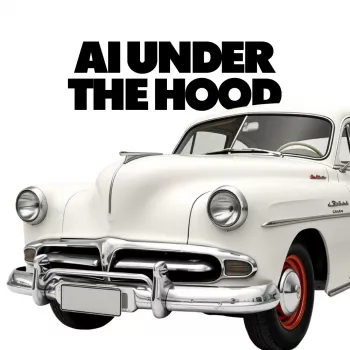
If you want a structured, driver-friendly way to turn these signals into a repeatable routine, AI Under the Hood | Smart Auto Care eBook Guide focuses on translating common codes, trends, and symptoms into practical next steps you can track over time.
For general maintenance guidance and checklists beyond analytics, the Car Care Council offers driver-oriented resources that pair well with a condition-based approach.
For a fast, repeatable routine you can run after road trips or during seasonal changes, Car Cleaning Hacks to Keep Your Ride Fresh can help you stay consistent—making it easier to spot new smells, damp carpets, residue, or stains that hint at a developing issue.
AI can estimate risk windows based on patterns and trends, but it can’t guarantee exact dates. Accuracy improves with consistent data and a clear maintenance history, and it works best when paired with basic inspections and the manufacturer’s schedule.
No—simple service logs, a weekly walkaround, and attention to changes in fuel economy or starting behavior go a long way. An optional OBD-II reader or connected-car app can add deeper insight by showing codes and sensor trends.
Yes, especially because aging components like batteries, cooling parts, ignition systems, and tires are more likely to drift toward failure. Older vehicles may have less sensor coverage, but OBD-II data and a solid baseline inspection can still provide useful early warnings.






Leave a comment