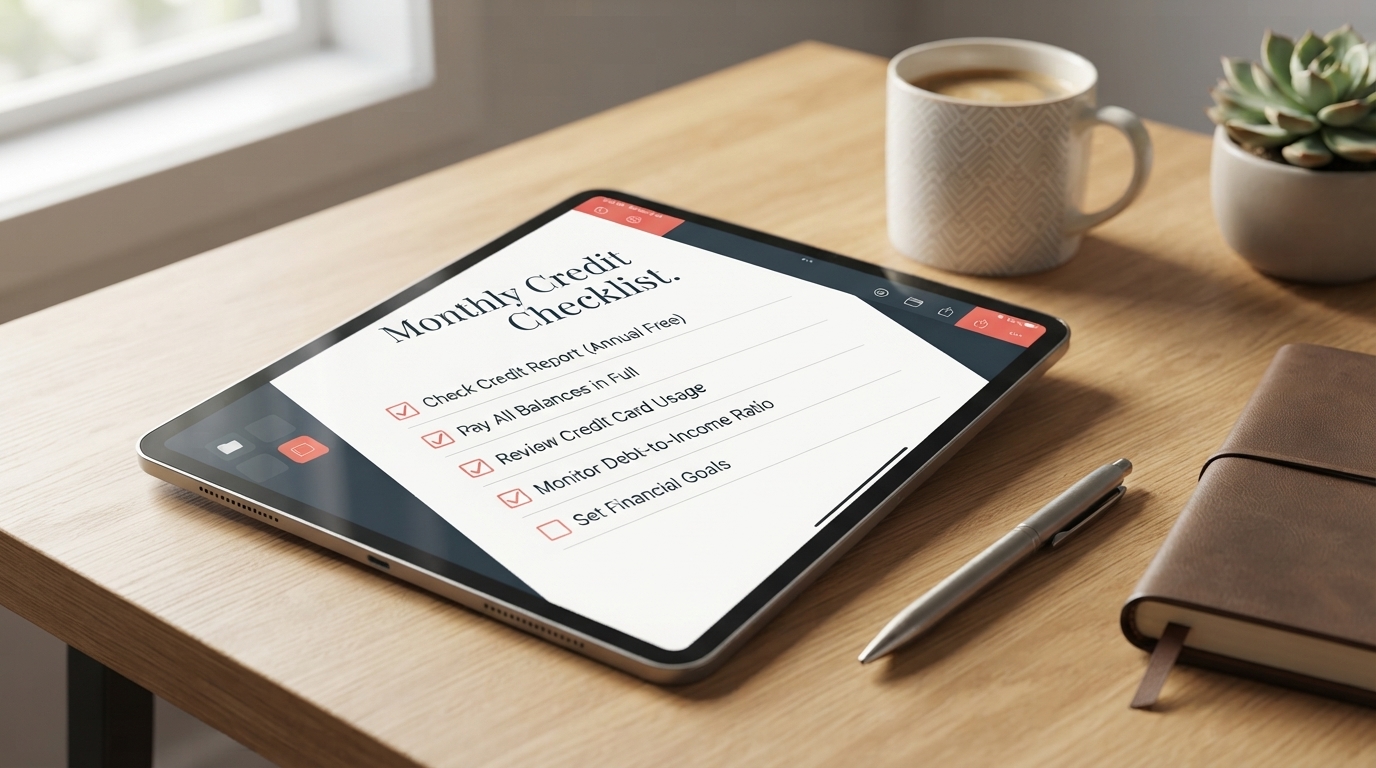
Building credit can feel confusing at first, but it becomes manageable with a clear set of steps and a way to track progress. This guide breaks credit-building into small, beginner-friendly actions—plus a checklist-style system that helps turn good intentions into consistent habits.
Credit history is the record of how credit accounts are used over time—credit cards, loans, and lines of credit. A credit score, on the other hand, is a snapshot that summarizes parts of that history at a specific moment. A stronger history usually makes it easier to earn higher scores over time.
When lenders look at a credit profile, they typically want to see a pattern of on-time payments, responsible credit use (not maxing out limits), and stable account management. The most important takeaway: improvement is usually gradual. Consistency tends to matter more than quick “hacks.”
If you want a deeper overview of how reports and scores work, these resources are helpful: Consumer Financial Protection Bureau (CFPB) and myFICO’s credit education.
Turn on autopay for at least the minimum payment due, then add calendar reminders for statement dates and due dates. Autopay protects your payment history, while reminders help you spot issues early (like a higher-than-expected balance).
Aim to use a small portion of your available credit, and pay down balances before the due date when possible. If you can, make a mid-cycle payment to keep the balance from creeping up.
If you’re starting from scratch, consider a starter credit card (including secured options) or a credit-builder loan from a reputable institution. The “right” product is the one you can manage with predictable, on-time payments.
Pick one simple recurring charge—like a streaming subscription or a regular bill—then pay it off consistently. The goal is to build a clean pattern of responsible use without needing big spending.
Space out credit applications. Too many hard inquiries and new accounts in a short period can make a profile look unstable.
Review your reports to confirm your accounts, balances, and personal details are accurate. If you see an error, dispute it with the credit bureau reporting it. You can request reports through the official site: AnnualCreditReport.com.
If an older account has no annual fee and you can manage it responsibly, keeping it open can help preserve account age and available credit.
Once a month, review statement balances, due dates, utilization, and any report updates. Small adjustments—like paying a few days earlier—can make the whole system feel easier.
| Task | Target | How to do it | Done? |
|---|---|---|---|
| Payments | 100% on-time | Autopay minimum + reminders for due date | ⬜ |
| Utilization | Low and steady | Pay down before statement closes / avoid maxing cards | ⬜ |
| New credit | Only when needed | Wait between applications; compare terms first | ⬜ |
| Report check | Spot errors early | Review reports; dispute inaccuracies | ⬜ |
| Account health | Keep oldest in good standing | Maintain older accounts, monitor fees | ⬜ |
Set up autopay, pick one card/account to focus on, and choose one small recurring charge to pay off monthly. Keep the process boring and repeatable—boring is good.
Check utilization mid-cycle, pay early if balances creep up, and review your credit report for errors. If you spot an issue, address it right away so it doesn’t linger for months.
Continue the routine, avoid unnecessary applications, and consider whether a credit-limit increase request (where appropriate) could help utilization—without increasing spending.
Timelines vary, but building meaningful credit history usually takes months to years. The biggest drivers are consistent on-time payments and steady, manageable credit use over time.
Paying in full is typically best when possible because it avoids interest. Carrying a balance is not required to build credit; a small balance may report naturally depending on statement timing, but you can still pay in full by the due date.
Checking a few times per year is a practical baseline, and it’s smart to check before major applications (like renting or a mortgage). The goal is to catch errors or identity issues early and confirm your accounts are reporting accurately.







Leave a comment