Scent Games for Dogs: Simple Nose Work Activities for Focus, Confidence, and Everyday Enrichment
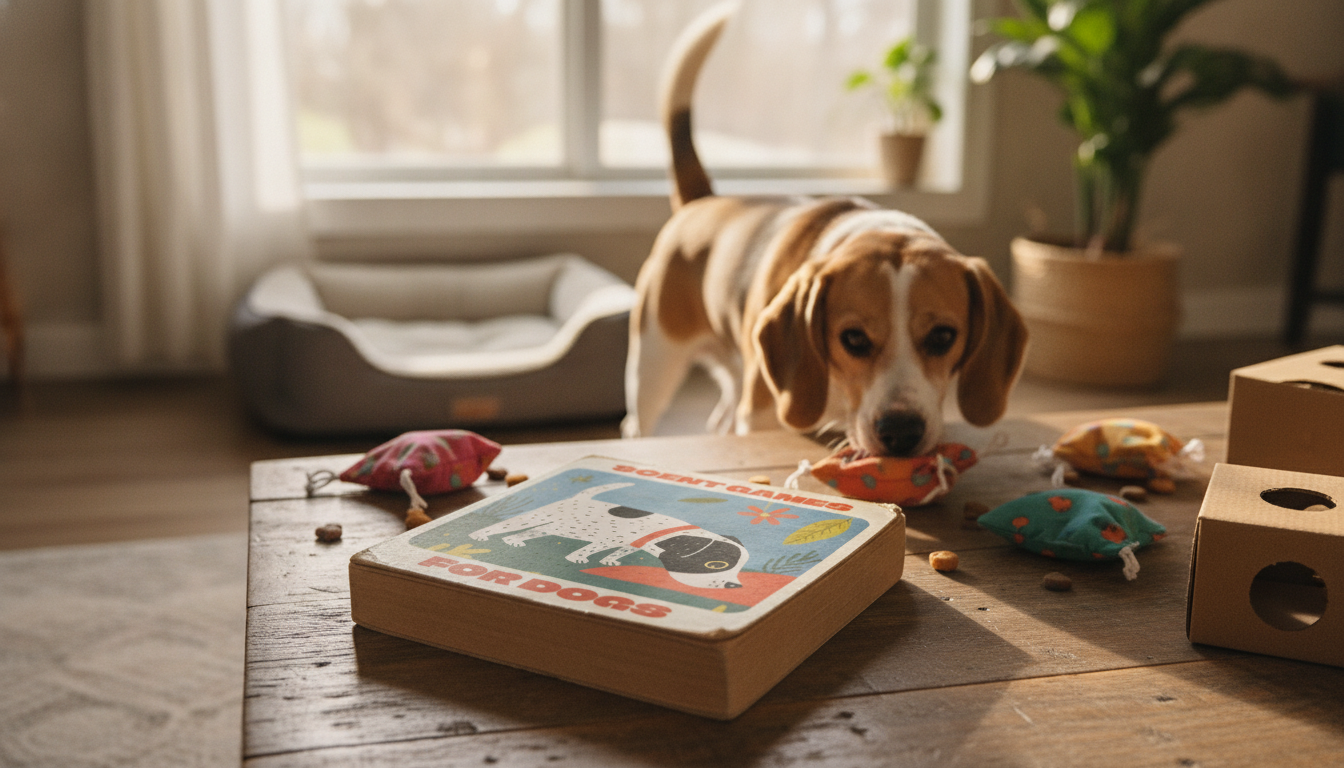
Scent games turn a dog’s strongest sense into a practical, satisfying activity that can be done in minutes—inside on a rainy day or outside for an added challenge. With a few household items and a clear progression, nose work-style games can build calm focus, boost confidence in cautious dogs, and provide meaningful enrichment for high-energy pets.
Why scent games work so well for most dogs
Sniffing isn’t just “something dogs do”—it’s how many dogs process the world. When you turn that instinct into a simple game, you get enrichment that feels natural and often more settling than pure physical exercise.
- Natural motivation: sniffing is inherently rewarding and helps many dogs settle into a task without needing intense physical exercise.
- Focus and impulse control: structured searching teaches “work mode” and encourages steady problem-solving rather than frantic behavior.
- Confidence building: dogs learn to make choices, explore, and succeed—especially helpful for shy, sensitive, or adolescent dogs.
- Low-impact enrichment: ideal for senior dogs, dogs in recovery, or pets who need mental stimulation without overexertion.
- Bond and communication: clear start cues, reward timing, and consistent rules help dogs understand the game and trust the handler.
Quick scent game menu (pick one based on time, space, and difficulty)
| Game |
Best for |
Setup |
Difficulty |
Where |
| Treat scatter (find-it) |
Beginners, decompression |
Toss small treats across a mat/grass |
Easy |
Indoor/Outdoor |
| Cup shuffle |
Focus and impulse control |
3 cups + treat hidden under one |
Easy–Medium |
Indoor |
| Box search |
Nose work foundations |
Several boxes, one holds food/toy |
Medium |
Indoor/Outdoor |
| Towel/blanket burrito |
Rainy-day enrichment |
Roll treats into fabric folds |
Easy–Medium |
Indoor |
| Outdoor scent trail |
Endurance and confidence |
Drag treat pouch briefly, then hide reward |
Medium–Hard |
Outdoor |
Getting started: supplies, rules, and training flow
Good nose work is less about fancy gear and more about clear rules. A consistent routine helps your dog understand when the game starts, what “success” looks like, and how to stay engaged.
- Supplies: pea-sized treats (or kibble), 3–8 cardboard boxes, cups, towels, a long line for outdoor work, and a favorite toy (optional).
- Choose a start cue: a consistent phrase like “Search” signals the game is on; end with “All done” and remove remaining hides.
- Set the dog up to win: begin with visible or easy hides, then gradually make the scent problem harder.
- One dog at a time: keep other pets out of the search area to reduce distraction and prevent resource guarding.
- Short sessions: 3–10 minutes is plenty; stop while the dog is still engaged to keep motivation high.
- Reward placement: pay at source (right where the dog finds it) to reinforce pinpointing and reduce random sniffing.
Indoor scent games that don’t require special equipment
Indoor games shine when the weather’s bad or when you need a calm, controlled setup. Start easy, repeat a few times, and end while your dog is still eager.
- Find-it scatter: release the dog to search a snuffle mat, rug, or hallway runner; increase challenge by using fewer treats.
- Cup game: show the treat, hide it under a cup, pause one second, then cue the search; add movement only after consistent success.
- Towel folds: place treats in simple folds first, then roll into a loose burrito; avoid tight knots that frustrate beginners.
- Box line-up: place 3 boxes down, drop a treat in one while the dog watches, cue “Search,” then progress to hiding when the dog isn’t looking.
- Which hand: hide a treat in one fist; reward correct indication (nose touch, paw, or sustained sniff) and keep criteria consistent.
- Noise-proofing tip: for apartment living, use towels/boxes on a rug to reduce sliding and keep the activity calm and quiet.
Outdoor scent games for bigger challenges (yard, park, trail)
Outside, odor moves with wind, temperature, and moisture—so “easy” can suddenly become difficult. Start in familiar places, then level up as your dog learns to persist.
For more on organized scent sports and how dogs search, the American Kennel Club’s overview of Scent Work is a helpful reference point.
Common issues and simple fixes
Safety and enrichment guidelines
For general enrichment best practices, guidance from the RSPCA and the ASPCA offers additional ideas that pair well with scent-based play.
A guided path for steady progress
Recommended digital resources (in stock)
FAQ
How long should a scent game session be?
Most dogs do best with 3–10 minutes per session, depending on experience and arousal level. Stop while your dog is still engaged, and aim for multiple short sessions each week rather than one long one.
Can puppies and senior dogs do nose work games?
Yes—keep setups low-impact with easy hides, safe surfaces, and short durations. Avoid jumping or climbing, and use softer treats to make rewards easy to chew.
What if my dog loses interest or can’t find the treat?
Lower the difficulty right away and make the hide more obvious so success happens quickly. Reward immediately at the source, then keep the next repetition easier to rebuild confidence.
Recommended for you





Leave a comment