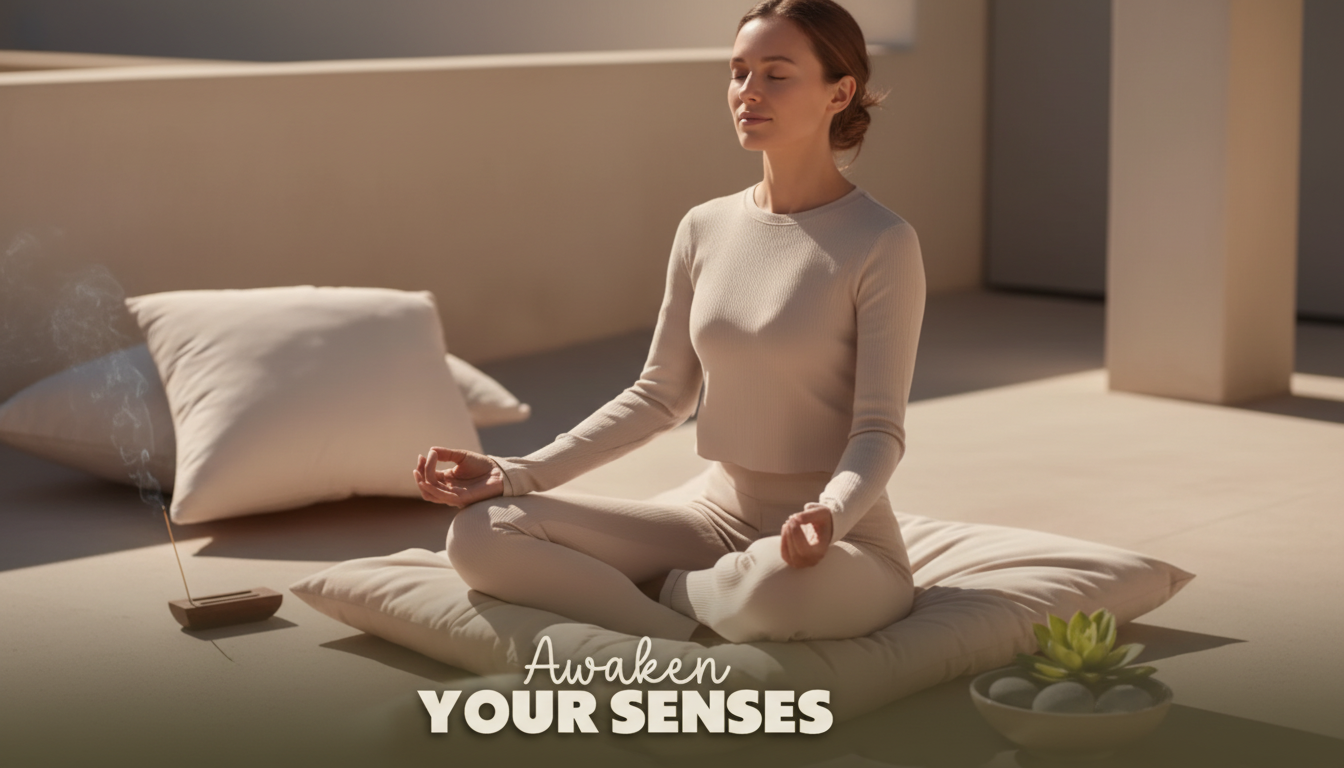
Gentle movement paired with a body scan can shift attention out of mental noise and back into direct sensation—breath, muscle tone, temperature, and subtle release. This approach fits busy days and low-energy moments, offering a simple way to build mind-body awareness while easing stress without intense workouts or complicated routines.
A traditional body scan guides attention through the body in a steady sequence—often feet to head or head to feet—observing sensations without trying to “fix” them. The emphasis is on noticing: pressure, warmth, tightness, buzzing, or ease, exactly as it is.
When gentle movement is added, sensations often become clearer. Small, comfortable motions—rolling the shoulders, flexing the ankles, turning the head slowly—can reduce stiffness and highlight where the body is gripping. The aim isn’t stretching deeply or achieving a pose; it’s awareness first. This style is easy to adapt: seated at a desk, standing for a quick reset, or lying down for a wind-down.
Stress tends to pull attention into future worries or replayed conversations. A scanning practice trains attention to return, again and again, to what’s happening right now in the body. That simple “return” is powerful—especially on days when the mind feels loud.
Slow breathing combined with non-strenuous movement may support nervous system regulation. Lengthening the exhale slightly can encourage a more settled state, which aligns with widely taught relaxation methods involving breath control (see Harvard Health Publishing).
Scanning also offers muscle feedback. Many people carry tension in the jaw, shoulders, belly, or hands without realizing it. Noticing that pattern—without judgment—creates the option to soften gradually. Over time, this builds emotional literacy too: physical sensations often show up before emotions fully form, and catching those early cues can support calmer choices. For broader context on mindfulness practices and safety, the National Center for Complementary and Integrative Health (NCCIH) provides a helpful overview.
| What is noticed | Where it often shows up | Helpful response |
|---|---|---|
| Tightness or clenching | Jaw, shoulders, fists, pelvic floor | Exhale longer, soften grip, reduce movement range |
| Restlessness | Feet, hands, eyes | Try slower pacing, small repetitive motions (ankle circles), steady gaze |
| Numbness or dullness | Upper back, thighs, fingertips | Warm hands, lightly stretch, increase pressure of contact (blanket/chair) |
| Pins-and-needles | Legs/feet after sitting | Change position, gently pump ankles, avoid forcing sensation |
| Heaviness or fatigue | Whole body or limbs | Shorten session, practice lying down, keep movements minimal |
This is a simple flow you can repeat as written or adjust to match your body. Keep movements small and comfortable; the practice works best when it feels doable.
Choose a position: seated with feet on the floor, or lying down with knees bent or legs extended. Let the eyes soften. If it helps, place one hand on the belly to feel the breath.
Notice the inhale and exhale. Without straining, let the exhale become slightly longer than the inhale—like a slow sigh, but gentle. Feel the shoulders and face soften a fraction on each exhale.
Wiggle the toes. Circle the ankles slowly in one direction, then the other. Scan for contact points: heel against the floor, sock seams, air on the skin, temperature changes, tingling, or steadiness.
If you prefer a structured format you can return to on autopilot, Awaken Your Senses Through Gentle Movement | Mindful Body Scanning with Gentle Movement Guide offers step-by-step prompts that pair scanning with simple motions. The format is flexible—use it for a few-minute reset, a longer evening routine, or a calming break between tasks.
For households juggling stress on multiple fronts, Stay Calm Within Mindful Parenting System – 4-in-1 Bundle for Parents can complement personal regulation skills by layering in practical, family-friendly tools. And if movement helps you feel steady but you want a more energizing option on other days, Home Cardio Blast Checklist | Instant Digital Download for Effective Cardio Workouts at Home provides a clear, no-guesswork structure for at-home cardio sessions.
For those who want a deeper foundation in mindfulness-based practices, programs such as Mindfulness-Based Stress Reduction (MBSR) through UMass Chan Medical School are a well-known option.
They overlap in breath awareness and mindful attention, but gentle movement body scanning uses smaller, simpler motions with a stronger focus on noticing sensation. No poses are required, and it can be done in a chair or in bed.
Three to five times per week works well for many people, and short daily micro-sessions can be just as effective. Even a 2–5 minute reset can help when practiced consistently.
Yes—use supported positions, tiny ranges of motion, or breath-only scanning if movement isn’t comfortable. Avoid pushing into pain, and consult a clinician when needed for individualized guidance.





Leave a comment