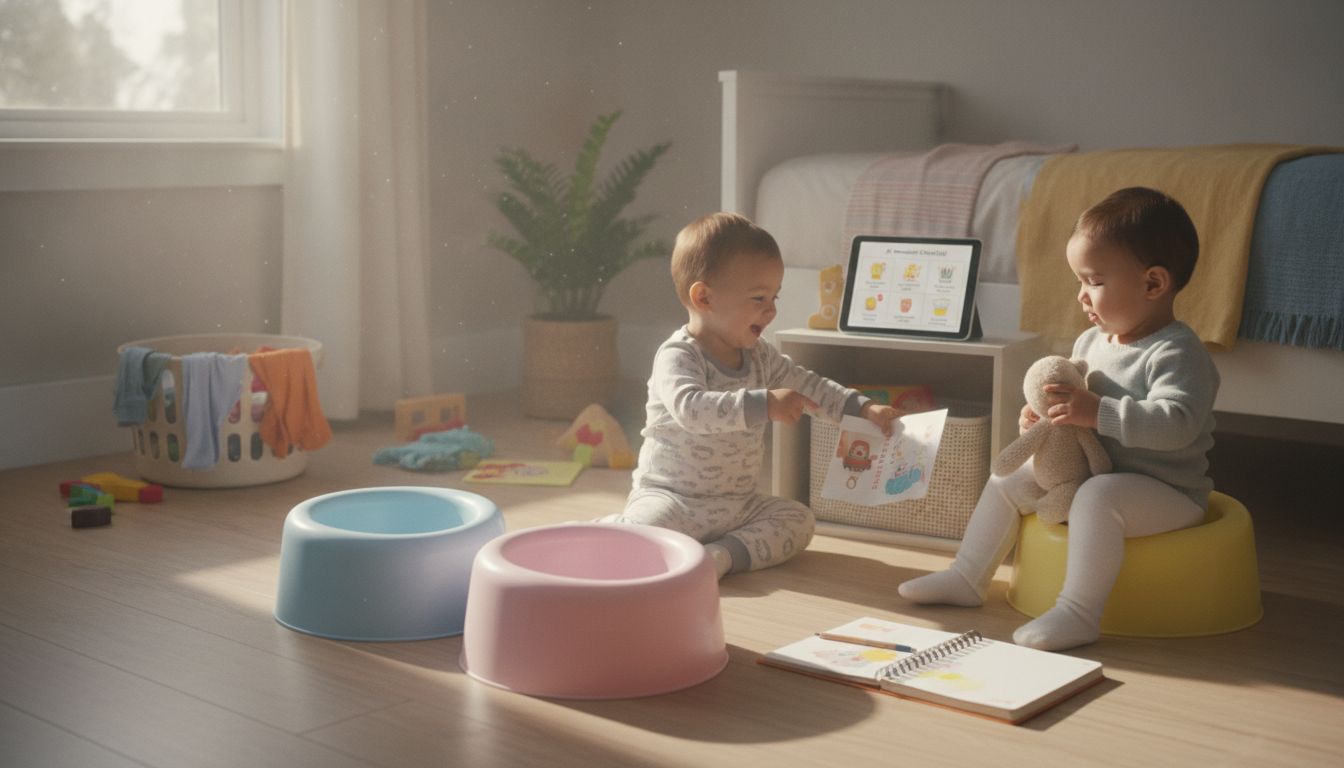
Potty training often breaks down for one main reason: inconsistency. A playful routine, predictable reminders, and quick tracking can turn power struggles into small wins. The goal isn’t “perfect” days—it’s repeatable days. With a simple AI-style reminder checklist (think: short prompts any caregiver can follow), a routine planner you can print or keep on your phone, and a lightweight way to track patterns, most families can make potty learning feel calmer and more doable—even with busy schedules, daycare handoffs, and weekend changes.
For general guidance on toilet training readiness and approach, see the American Academy of Pediatrics (HealthyChildren.org). You can also compare tips with the NHS potty training guide, and keep developmental expectations realistic using CDC developmental milestones.
The biggest predictor of progress is consistency—not intensity. Short, regular potty opportunities usually work better than long, high-pressure sits. Toddlers learn through patterns: the same steps, the same words, the same place, and the same reward structure. When those pieces stay steady, the body and brain start to connect the dots.
Common derailers tend to look like this: waiting too long between tries, using confusing signals (“Do you want to go?” when the plan is to try), different rules across caregivers, pressure or shame after accidents, and routines that shift on weekends. A solid plan covers timing, language, supplies, cleanup, motivation, and caregiver communication—so you’re not reinventing the wheel every day.
Many toddlers show readiness through a mix of clues: staying dry for longer stretches, predictable bowel movements, interest in the bathroom, discomfort with wet diapers, following simple two-step directions, and the ability to sit briefly. When signals are mixed, it often works better to begin with “practice sits” and routine building rather than pushing straight into underwear.
If there’s pain with urination, severe constipation, persistent stool withholding, or a strong regression that comes with distress, consider pausing and checking in with a clinician. Comfort and confidence matter more than speed.
| What’s happening | Start with | Goal for 7 days |
|---|---|---|
| Dry for 2+ hours and asks to go sometimes | Regular timed reminders + underwear at home | 2–4 successful pees/day in potty |
| Willing to sit but rarely produces | Routine sits after wake/meal + praise for sitting | Comfort with steps, no pressure to “perform” |
| Accidents cause frustration or refusal | Reset: diapers/pull-ups + practice steps + neutral cleanup | Lower stress and rebuild cooperation |
| Bowel movements are hard or withheld | Stool support plan + post-meal sits + calm rewards | Comfortable poops with less struggle |
A fun-first routine works because it reduces decisions (and negotiations). Keep your script simple and consistent: “Potty time. First sit, then wash hands.” If the plan is to try, avoid yes/no questions that invite a power struggle.
Make the steps playful but short: a 10-second “potty song,” a sticker for sitting, or a tiny “mission complete” gesture after handwashing. Early on, reinforce the effort (sitting, telling, trying) as much as the outcome. That’s how you build a “success loop”: reminder → sit → attempt → celebrate → reset timer.
| Time/Trigger | Reminder prompt | Notes to track |
|---|---|---|
| Wake-up | Potty time, then breakfast | Dry or wet? |
| After breakfast | Quick sit, then play | Any pee/poop? |
| Mid-morning (timer) | Potty check-in | Resistance level 0–3 |
| Before leaving home | Potty first, then shoes | Went or refused? |
| After arriving home | Potty reset | Accident on the way? |
| After lunch | Potty time, then story | Any bowel signs? |
| Before nap/quiet time | Try potty, then rest | Dry at nap start? |
| After nap | Potty wake-up | Dry at wake? |
| Before bath/bed | Last potty, then pajamas | Night diaper/pull-up plan |
If you want a ready-to-use system that’s easy to repeat day after day, Potty Training Made Fun: Your AI Reminder Checklist (digital download) is designed to keep reminders simple and consistent across caregivers. It includes a structured checklist for phone/tablet or printing, a routine planner built around key triggers (wake, meals, transitions), quick-start scripts for consistent wording, and lightweight tracking so you can adjust intervals without overthinking.
For parents who want extra support staying steady during pushback days, the Stay Calm Within Mindful Parenting System – 4-in-1 Bundle for Parents pairs well with potty learning because it emphasizes calmer communication, predictable boundaries, and stress-reducing routines—tools that can help you stay consistent when toddlers test limits.
Add “before leaving” and “arrive and try” reminders, increase timed check-ins during outings, and choose easy-on/off clothing. Keep cleanup calm and predictable so new environments feel safe to practice in.
Keep sits short—about 20–60 seconds, up to a couple minutes if they’re comfortable. Frequent opportunities work better than long sits, and after-meal sits are often the easiest time for bowel movements.
Yes—regression is common with routine changes, illness, constipation, or stress. Return to a tighter reminder schedule and boost praise for effort; if it persists or there’s discomfort, check for constipation or other concerns with a clinician.







Leave a comment