
Busy seasons have a way of turning love into logistics. You’re coordinating calendars, handling errands, managing kids or caregiving, and getting through the workday—yet somehow the relationship starts to feel like an afterthought.
Common signs of disconnection show up quietly: conversations that revolve around tasks, a “roommates” vibe, less playful touch, and fewer moments of curiosity about each other’s inner world. It’s not always about how much time is spent together—it’s about the quality of attention inside that time. If you’re both scrolling, multitasking, or mentally rehearsing tomorrow, “together” can still feel lonely.
Stress and fatigue also change what’s available emotionally. Chronic stress can narrow patience, reduce warmth, and make it harder to access desire or tenderness. The American Psychological Association notes that stress impacts the body in ways that can affect mood, sleep, and energy—ingredients that matter for connection and intimacy (APA: Stress effects on the body).
When life is packed, closeness is rebuilt through consistency, not grand gestures. A once-a-month date night can be wonderful, but it rarely repairs day-to-day disconnection on its own. Small moments—repeated—create safety, trust, and a sense of “we’re on the same side.”
Most couples don’t need more dramatic talks; they need easier ways to begin. That means low-pressure conversation starters that don’t instantly become problem-solving or a debate about who’s right. It also means tools for naming needs and boundaries without blame, and for expressing appreciation before resentment hardens.
Research-backed relationship frameworks often emphasize friendship, fondness, and responsive “turning toward” bids for connection. The Gottman Institute’s Sound Relationship House model highlights the role of trust, commitment, and daily emotional attunement as core building blocks (Gottman Institute: The Sound Relationship House Theory).
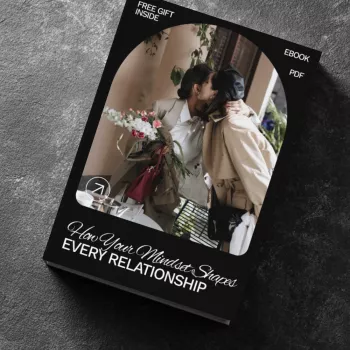
Together Through the Rush | Intimacy Guide for Busy Couples • Relationship eBook • Digital Download for Deeper Connection • Couples Communication Tool is designed for the reality of modern relationships: limited time, limited energy, and a lot of responsibility.
Instead of asking you to overhaul your relationship, it focuses on simple, doable connection habits—so your default setting becomes warmer, not just more efficient.
Consistency gets easier when connection is predictable. Short check-ins remove the pressure of “We need to talk” and replace it with “We’re staying in touch.”
Pairing connection with existing routines helps it happen automatically: morning coffee, the first five minutes after work, bedtime, or even a quick moment in the car before walking into the house. The goal is to create tiny bids for attention—signals that say, “I see you. I’m with you. We’re still a team.”
| Time needed | Routine | How it helps |
|---|---|---|
| 5 minutes | One good thing + one hard thing (each person shares) | Builds emotional awareness without turning into a debate |
| 7 minutes | Device-free “reset” cuddle or hand-hold | Restores safety and warmth after a busy day |
| 10 minutes | Appreciation round: 3 specific thanks each | Reduces resentment and increases positive sentiment |
| 12 minutes | Needs swap: “This week I need…” + “What I can offer is…” | Turns vague frustration into doable support |
| 15 minutes | Mini date at home: tea/snack + one guided question | Creates novelty and shared focus without planning |
Connection tools only work if they fit real life—especially when you’re already stretched. The simplest approach is to choose one small exercise and repeat it for a full week. Repetition lowers friction and makes it feel natural instead of “extra.”
If parenting stress is part of the overload, supportive structure can help lower the household temperature overall. For families who want practical tools for calmer days, Stay Calm Within Mindful Parenting System – 4-in-1 Bundle for Parents can complement relationship-focused routines by reducing reactivity and helping adults feel more grounded.
The biggest shifts usually come from consistency: a few minutes, several times per week, can change the emotional tone over time. If you’re ready to make connection easier (not harder), Together Through the Rush offers a practical way to reconnect without waiting for “more free time.”
It’s available immediately after checkout as a digital download. Saving it to your phone or tablet makes it easy to use during quick check-ins or bedtime routines.
Start with a low-pressure prompt and frame it as a short experiment (like one week). Choosing neutral topics—appreciation, daily stress, or what would feel supportive—often feels safer than diving into conflict right away.
It’s primarily a connection and communication guide that supports emotional and physical intimacy. Better understanding can reduce conflict over time, but it’s not a replacement for therapy when professional support is needed.






Leave a comment