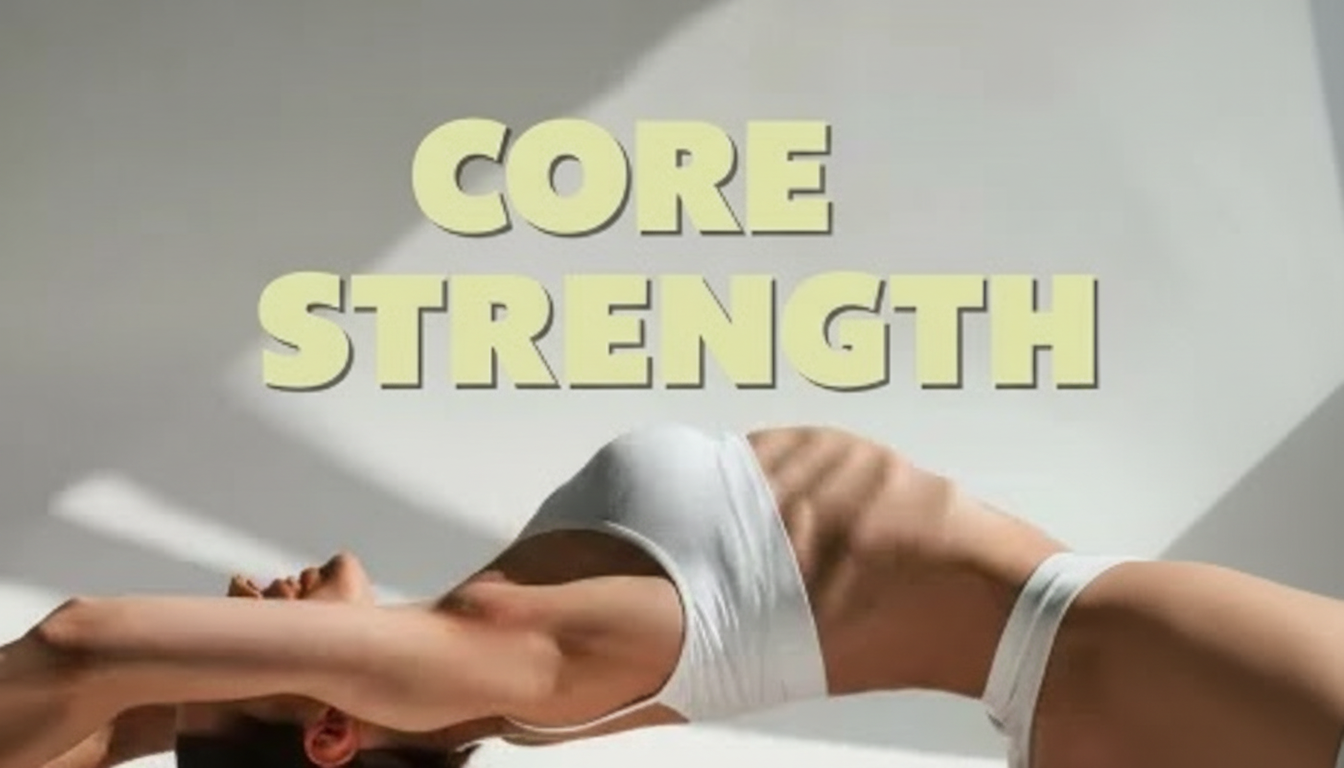
A consistent yoga routine can support spinal mobility, posture awareness, and everyday comfort—especially when the practice is simple enough to repeat. This quick checklist-style digital download is designed to make a spine-friendly flow easy to follow, track, and return to whenever the back feels stiff from sitting, screens, or long days.
Spine-friendly yoga isn’t about forcing bigger stretches; it’s about moving well in the directions your spine already needs every day. Over time, that can translate into movement that feels smoother, posture that feels less “effortful,” and fewer moments of bracing through the neck, ribs, or low back.
For a research-backed perspective on yoga’s broader benefits, Harvard Health discusses how yoga can support strength, flexibility, and stress regulation in everyday life: Harvard Health Publishing — The real-world benefits of yoga.
When a routine feels clear, it’s easier to repeat—and repetition is what builds the steady gains most people want for posture and daily flexibility. The checklist format also keeps the focus on showing up, not overthinking.
If a simple, repeatable routine sounds like the missing piece, Spinal Bliss: Your Quick Yoga Checklist (Digital Download) is designed for quick sessions you can return to again and again.
A short session can be surprisingly effective when it covers the spine’s main movement patterns and ends with a true “downshift.” Think of it as daily maintenance: small inputs that keep your range of motion available.
| Need | Simple option |
|---|---|
| Tight hips/low back | Sit on a folded blanket to reduce strain |
| Limited hamstring length | Bend knees in forward folds and hinge from hips |
| Sensitive wrists | Use fists, forearms, or a folded towel under palms |
| Balance support | Practice near a wall or chair |
For general guidance on safe yoga participation and what to consider if you’re new or returning, the NCCIH provides a helpful overview: NCCIH — Yoga: What You Need To Know.
A weekly rhythm keeps things varied without making the routine complicated. The goal is to give your spine a mix of gentle mobility, control, and recovery so you’re not hammering the same tissues day after day.
| Day | Focus | Time | Check |
|---|---|---|---|
| Mon | Mobility + posture reset | 10–15 min | ☐ |
| Tue | Spinal rotation + breath | 10–15 min | ☐ |
| Wed | Hips + hamstrings | 10–15 min | ☐ |
| Thu | Gentle extension | 10–15 min | ☐ |
| Fri | Side-body length | 10–15 min | ☐ |
| Sat | Slow flow / longer holds | 15–20 min | ☐ |
| Sun | Recovery / restorative | 8–12 min | ☐ |
The best “posture plan” is the one you can actually maintain. Small, repeatable habits tend to beat rigid rules—especially if you spend hours at a desk or on a device.
For additional practical posture tips that work in real life (not just in a “perfect” stance), Cleveland Clinic offers clear, actionable guidance: Cleveland Clinic — How to Improve Your Posture.
If you like “check-and-go” routines, pairing mobility days with short cardio can round out the week without overcomplicating it. Consider Home Cardio Blast Checklist (Instant Digital Download) for quick at-home sessions on days you want a sweat without a long workout.
Yes. The step-by-step format supports a gentle pace, and using props (like a folded blanket or wall) can make movements more comfortable while you build consistency.
Short sessions done daily (about 5–15 minutes) work well for many people, or aim for 3–5 times per week. Let symptoms guide you and include lighter recovery days when you feel tight or fatigued.
It can support posture awareness by practicing stacked alignment, steady breathing, and balanced spinal movement. Pair it with micro-breaks and a screen setup that reduces forward-head strain for the best carryover.





Leave a comment