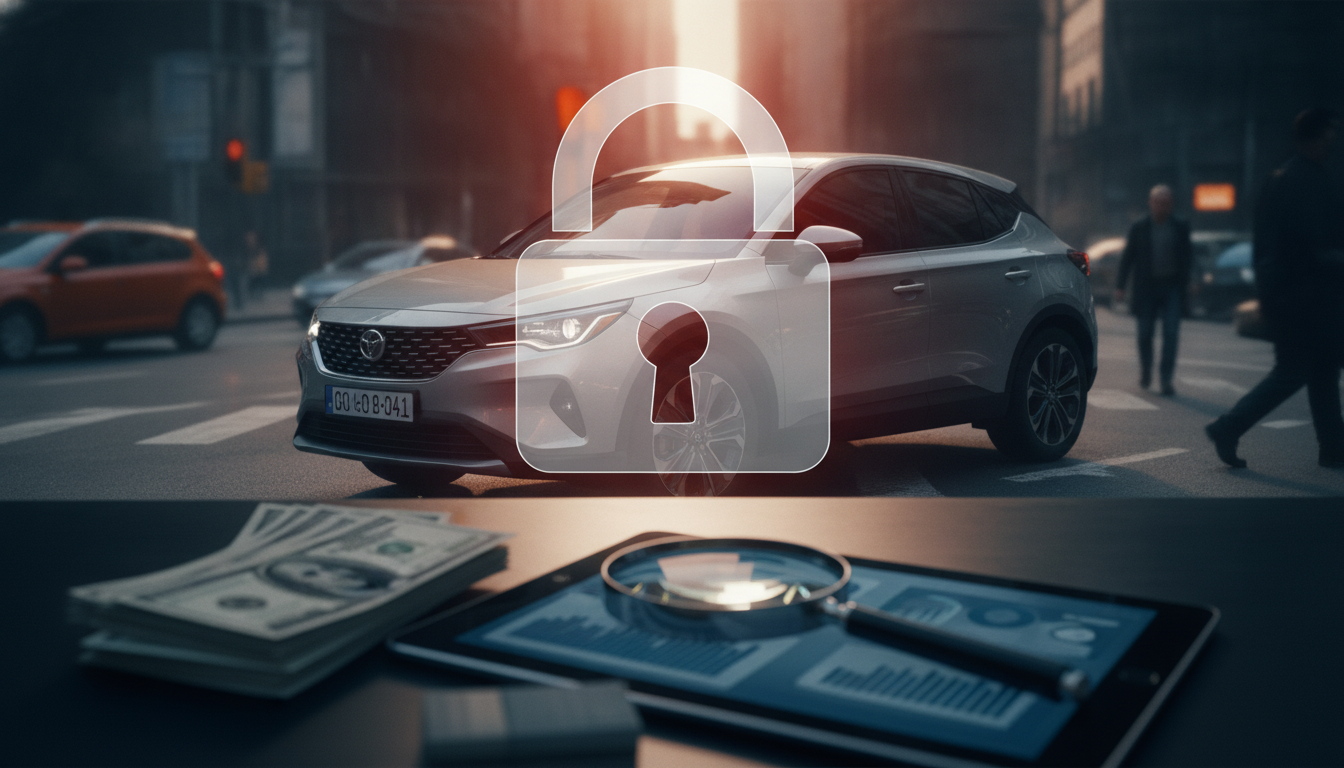
Auto insurance pricing can feel random, but it usually comes down to a repeatable set of risk signals tied to the vehicle, the driver, and where/how the car is used. Insurers aren’t just guessing—they’re estimating how likely a claim is and how expensive that claim could be, then building a premium around those expectations. Below is a practical breakdown of what pushes rates up, why renewal prices can change even without an accident, and how to lower premiums without accidentally giving up protection that matters.
Most auto premiums start with expected claim cost: how often claims happen (frequency) multiplied by how costly they tend to be (severity). From there, insurers add operating expenses, reinsurance costs, and a margin to stay solvent and pay future claims.
Pricing is heavily data-driven. Insurers look at historical loss results, local crash and theft patterns, repair-cost trends, and medical cost inflation. Even if a driver’s record stays clean, rates can move at renewal due to broader factors like regional storm losses, a spike in theft, or rising parts and labor prices. The Insurance Information Institute explains how standard coverages and claim costs interact across markets and time: https://www.iii.org/article/auto-insurance.
Many newer vehicles pack advanced driver-assistance systems (ADAS) like radar, cameras, and sensors. These features can reduce crashes, but when bumpers, windshields, or mirrors are damaged, repairs often require pricey parts and calibration. Luxury materials, specialty paint, and limited parts availability can push costs even higher.
Cars engineered for speed and quick acceleration tend to correlate with higher collision losses and larger bodily injury payouts. Insurers don’t rate “fun” directly—they rate the loss patterns they see for similar vehicles and driver groups.
Some models are stolen more frequently or are targeted because their parts have strong resale demand. Higher theft rates generally raise comprehensive premiums. For theft trends and prevention guidance, the National Insurance Crime Bureau is a useful reference: https://www.nicb.org/.
Vehicles that protect occupants well can reduce medical payments and bodily injury exposure. Insurers consider safety outcomes and claims experience; shoppers can also compare safety ratings through NHTSA’s 5-star system: https://www.nhtsa.gov/ratings.
Sports cars, certain luxury trims, and vehicles frequently used for high-mileage driving may price higher because they’re more exposed to losses or more expensive to fix. Sometimes the trim level (wheels, lighting, tech package) can change insurance cost more than the badge on the hood.
Newly licensed drivers are typically rated higher because loss frequency is greater in the early years. Over time, experienced drivers often see improvements—especially with consistent, claim-free history.
At-fault accidents, speeding tickets, DUI, and repeated violations can trigger surcharges or limit carrier options. A single serious violation can impact rates for years, depending on state rules and insurer guidelines.
Lapses in coverage, very short time with prior carriers, or limited insurance history can increase premiums. Insurers often interpret continuous coverage as a stability signal that correlates with lower loss likelihood.
| Cost driver | Why it raises premiums | What can help |
|---|---|---|
| High repair complexity (ADAS, luxury parts) | More expensive parts and calibration increase claim severity | Compare trims, ask about calibration costs, choose a model with widely available parts |
| High theft rate | More comprehensive claims and higher payouts | Park in a garage, add anti-theft devices, consider models with lower theft statistics |
| Low deductible | Insurer pays more per claim | Raise deductible to a level that can be paid comfortably |
| Young/inexperienced driver | Higher crash frequency in loss data | Good student discounts, driver training, telematics programs where suitable |
| High annual mileage/long commute | More exposure to collisions | Reduce mileage where possible, consider pay-per-mile options if eligible |
Pricing can rise due to vehicle repair costs, theft rates, local ZIP code loss trends, higher mileage or a longer commute, and changes in parts/labor inflation. Premiums can also change because insurers update rating models or adjust rates after regional losses, even if you haven’t filed a claim.
Car color is generally not a rating factor for auto insurance. Premiums are driven far more by the model/trim, performance, safety outcomes, theft risk, repair costs, and the driver’s profile.
It can be, if the annual savings are meaningful and you can comfortably pay the higher deductible after a loss. Compare the yearly premium difference to the extra out-of-pocket amount, and avoid setting a deductible so high that it becomes unaffordable when you need it most.






Leave a comment