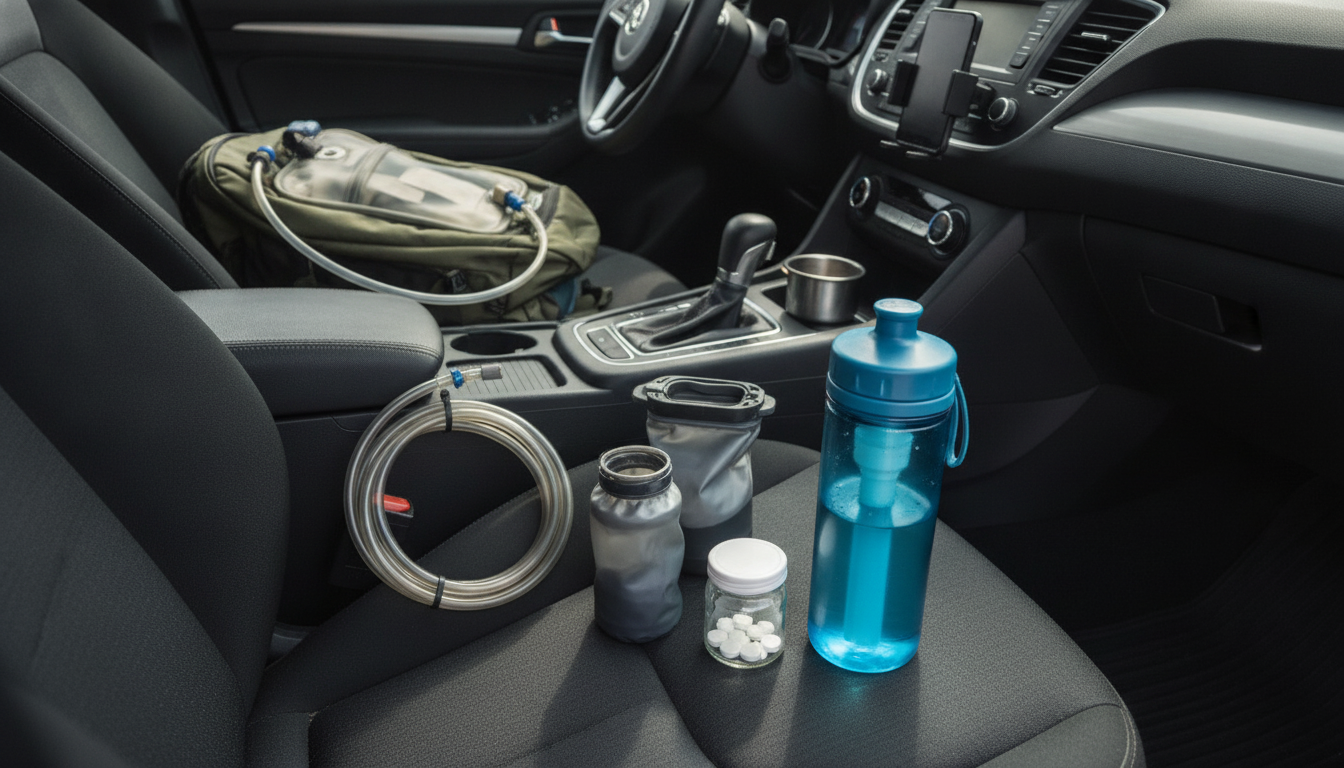
The best portable filtered water is the option that reliably makes unsafe or bad-tasting water safe to drink wherever you are—without being bulky, slow, or hard to maintain. For most people, that means using a travel-friendly filter system (like a bottle with an integrated filter, a squeeze filter, or a UV purifier) and pairing it with a trusted source when possible. The “best” choice depends on what you’re filtering, how quickly you need water, and how much you want to carry.
Contaminant protection: If you’re pulling from rivers, lakes, or questionable taps, prioritize filtration that addresses bacteria and protozoa. For areas where viruses are a concern, consider a purifier (or add a treatment step) rather than filtration alone.
Taste improvement: If your main issue is chlorine, odor, or funky flavors, look for carbon-based filtration, which is common in filtered bottles and some gravity systems.
Flow rate and effort: Squeeze and pump filters can produce water quickly but require manual effort. Straw-style filters are simple but can be slower and less convenient for filling containers.
Capacity and portability: For day trips, a filtered bottle can be enough. For families, groups, or longer outings, a higher-capacity gravity setup reduces work and keeps everyone hydrated.
Maintenance and lifespan: Check filter replacement costs, rated gallons/liters, and how easy it is to backflush or clean. A great filter that’s hard to maintain tends to get neglected.
Travel and commuting: A filtered bottle is convenient for airports, hotels, and daily errands. It’s also great when you want better-tasting tap water without hunting for bottled water.
Camping and hiking: A lightweight squeeze filter or pump filter is a strong all-around pick for backcountry sources. Add a clean bottle or reservoir for easier storage.
Emergency preparedness: A gravity system or larger-capacity solution is often more practical at home, especially if multiple people need consistent water with minimal effort.
For a deeper breakdown of top options, use cases, and how to choose, read the full guide here: https://splendyn.com/what-is-the-best-portable-filtered-water/.
A filter typically removes sediment and common microbes like bacteria and protozoa, while a purifier is designed to address a broader range of pathogens, including viruses. If you’re unsure about water quality in certain regions, a purifier (or filtration plus treatment) offers more coverage.






Leave a comment