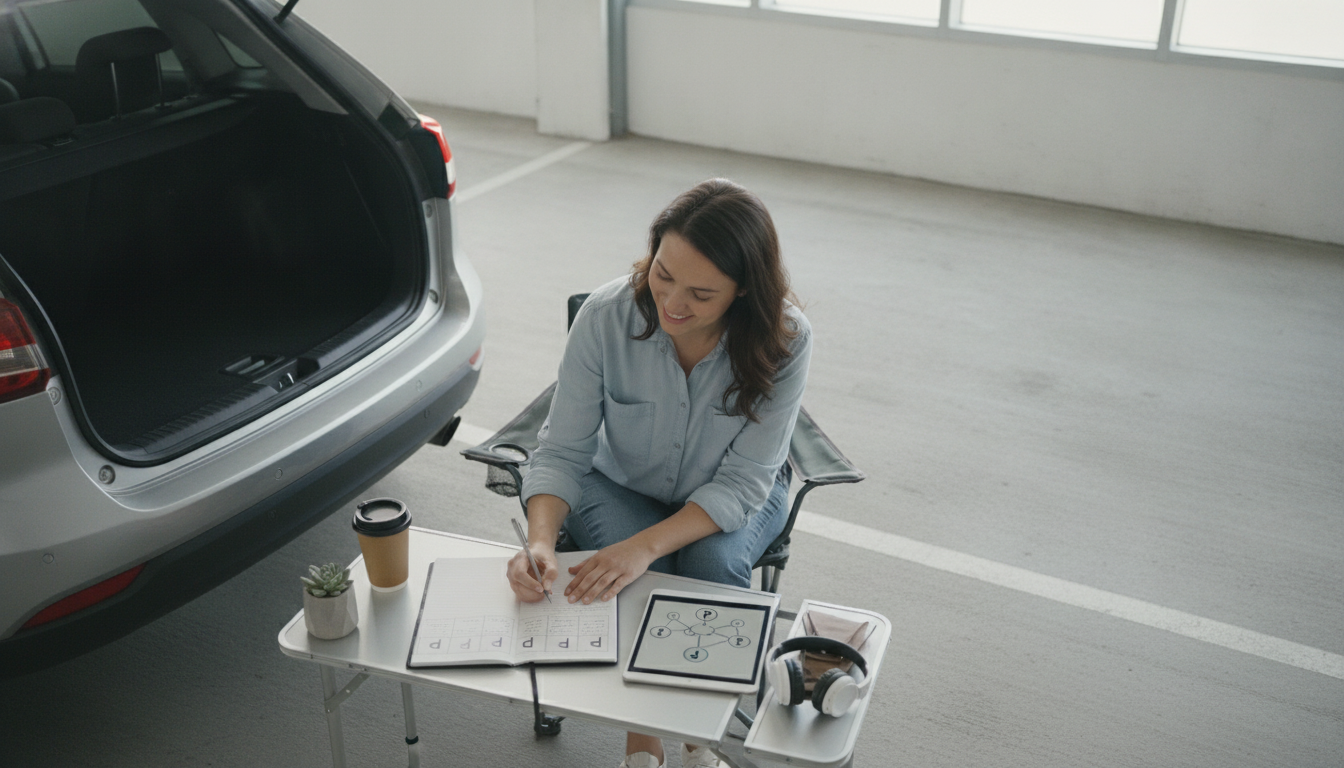
The 5 P’s of positive thinking are a simple way to practice optimism on purpose—especially when life feels busy, stressful, or uncertain. While different coaches may name them slightly differently, a practical, easy-to-remember set is: Purpose, Perspective, Presence, Practice, and Progress.
Purpose is the “why” behind your attitude. When you connect your day to something that matters—health, family, growth, faith, service, or a personal goal—positive thinking becomes more than forced cheerfulness. It turns into motivation and resilience.
Perspective means choosing a more helpful interpretation of what’s happening. It doesn’t deny difficulties; it looks for what’s still true, still possible, or still within your control. A quick reset is asking: “What’s one other way to view this?”
Presence is staying grounded in the current moment instead of replaying the past or catastrophizing the future. Even a 30-second pause—slow breathing, noticing your surroundings, relaxing your shoulders—can reduce mental noise and make room for a calmer outlook.
Positive thinking works best as a habit, not a one-time pep talk. Practice can be as small as listing one win, repeating a realistic affirmation, or writing down what you’re grateful for. Consistency matters more than intensity.
Progress keeps positivity realistic. Instead of demanding perfection, focus on the next doable step—one email, one workout, one kind conversation, one healthier choice. Small progress builds evidence that change is happening.
For a quick, structured way to put these into action over a week, check out the positive thinking quick wins 7-day checklist.
For The 5 P’s of Positive Thinking: A Simple Daily Framework, the best answer depends on fit, material, care instructions, and how the product will be used day to day.
Use “true but hopeful” statements, such as “This is hard, and I can take one step.” Pair them with small actions—gratitude, a short walk, or a quick plan—so your mindset is supported by real-world momentum.






Leave a comment