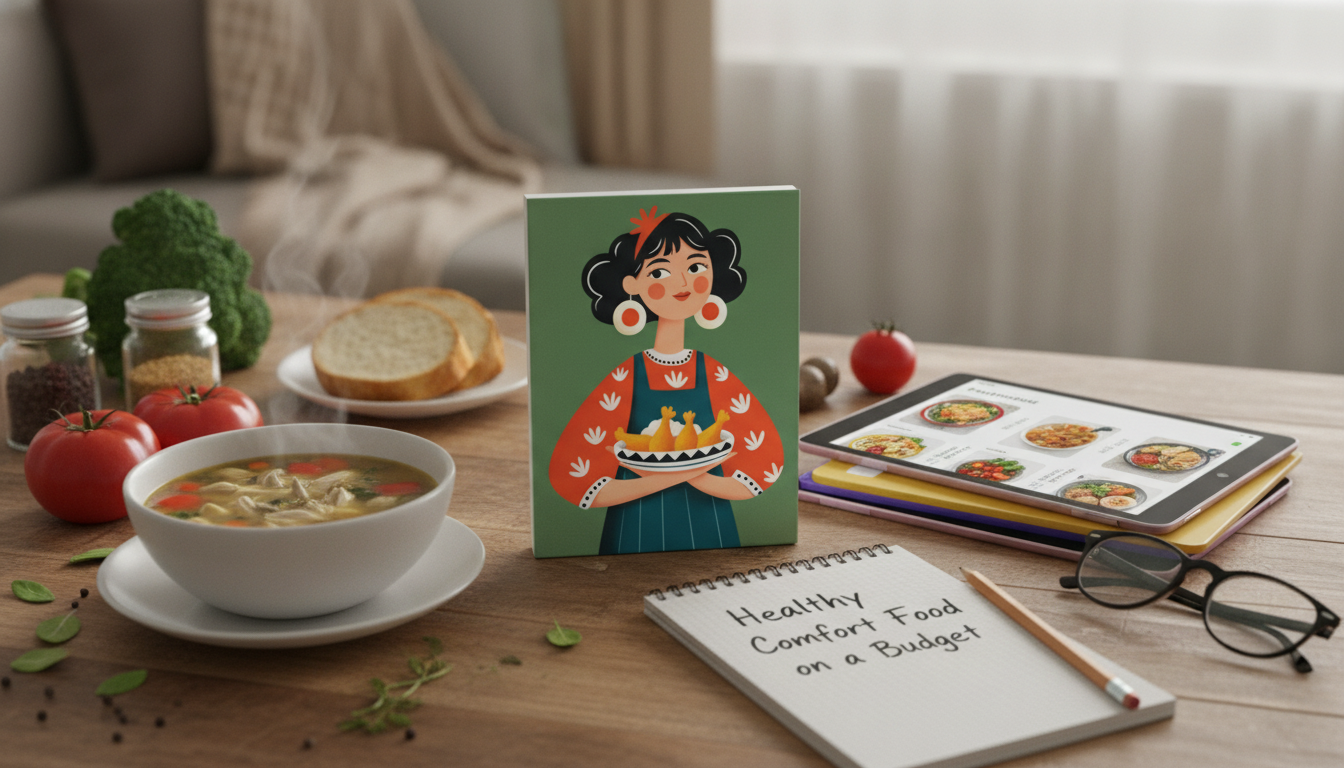
Comfort food can be nourishing, affordable, and realistic for weeknights—especially when planning is built around low-cost staples, flexible recipes, and a repeatable routine. The goal isn’t “perfect eating”; it’s building dinners that feel warm and satisfying while still supporting everyday health habits. If you aim for a simple balance (protein, fiber-rich carbs, vegetables, and flavorful fats), you can make cozy meals that stretch your grocery dollars and keep everyone happy—on regular Tuesdays and holiday-style weekends alike.
For a practical nutrition baseline, resources like USDA MyPlate and the Harvard Healthy Eating Plate emphasize the same big idea: build the plate around vegetables and quality proteins, then round it out with smart carbs and fats.
Healthy comfort food isn’t about removing what makes a meal cozy—it’s about building that cozy feeling with better structure. Think: satisfying, flavorful, and filling enough that snacking and second dinners don’t happen.
Budget comfort cooking gets easier when you can “mix and match” from a short list of staples. Keep a few proteins, reliable flavor builders, and flexible carbs on hand, and you’re rarely more than 30–40 minutes away from dinner.
| Staple | Why it saves money | Comfort-style meal ideas |
|---|---|---|
| Lentils | Cook once, use 2–3 ways; high protein and fiber | Lentil shepherd’s pie, lentil bolognese, cozy lentil soup |
| Chicken thighs | More affordable and forgiving than breasts | Sheet-pan chicken + veg, chicken stew, shredded chicken tacos |
| Cabbage | Low-cost volume; lasts long in the fridge | Stir-fry, slaw for bowls, added to soups and casseroles |
| Canned tomatoes | Forms quick sauces and soups | Tomato basil pasta, chili, minestrone-style soup |
| Frozen vegetables | No waste; always ready | Fried rice, pot pie filling, creamy veggie pasta |
A budget-friendly meal plan works best when it repeats a few reliable structures. Instead of chasing variety through totally different recipes, rotate formats and change flavors with sauces, spices, and toppings.
For additional guidance on building sustainable eating patterns, the CDC’s healthy eating resources can help keep changes realistic and consistent.
If you want a ready-made structure for both weeknights and holiday-style favorites, consider the Budget Collection of Feel-Good Meals (5-in-1 Digital Meal Planning Bundle), designed to make heartwarming meals simple and smart while keeping spending in check.
| Planning need | Common pain point | What to set up |
|---|---|---|
| Weeknight dinners | Too tired to decide | 3 anchor meals + 1 remix night |
| Grocery spending | Impulse buys and duplicates | Staples list + one planned treat item |
| Healthy comfort goals | Meals feel either bland or heavy | Protein + veg baseline for every dinner |
| Family/holiday meals | Stress and last-minute prep | Make-ahead dish + simple sides plan |
Two other digital tools that can complement a “busy weeks” routine include the Stay Calm Within Mindful Parenting System – 4-in-1 Bundle for Parents for calmer evenings at home, and the Home Cardio Blast Checklist for quick movement when you can’t fit in a full workout.
Soups and stews, bean-and-lentil dishes, egg-based meals, casseroles, and pasta with veggie-heavy sauces are usually the lowest-cost options. Staples like lentils, potatoes, cabbage, canned tomatoes, and frozen vegetables are filling, versatile, and easy to buy without waste.
Use flavor-building methods like browning, roasting, and simmering aromatics (onion, garlic, celery) with spices. Keep a protein-and-fiber baseline, then finish with small, intense garnishes (cheese, pesto, crispy onions) so the meal still feels rich and satisfying.
They reduce waste and duplicate purchases by organizing recipes, building repeatable shopping lists, and planning overlapping ingredients across meals. A planned leftovers night also prevents “random extras” from turning into expensive last-minute takeout.





Leave a comment